Preparation
Wash them thoroughly to remove pesticides. Feed them whole or roughly chopped. No need to remove any of the tiny seeds, they are perfectly safe!
Quantity
A small handful of mixed berries per bird, a few times a week.
Notes
Great for a daily antioxidant boost. Watch out for moldy berries at the bottom of the punnet, toss those in the garbage, not the run.
Nutritional Benefits
* Packed with powerful antioxidants that keep your flock's immune system incredibly robust.
* High in vitamin C, which chickens can produce themselves but need extra of during heat stress.
* Super low in calories compared to other fruits, so your hens stay fit and trim.
Safe Varieties
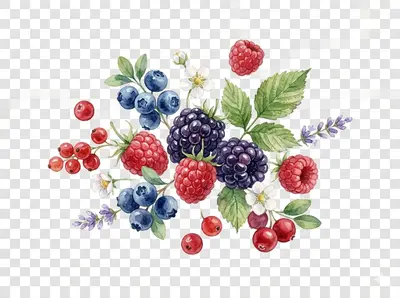
1. Fresh blueberries, perfectly bite-sized and their absolute favorite.
2. Wild blackberries and raspberries, they will happily pick them right off your bushes!
3. Strawberries with the green leafy tops still attached.
4. Avoid any berry jams, jellies, or preserves loaded with refined sugars.
Feeding Guide
Chicks under four weeks: Mash a single blueberry or strawberry into a paste.
Pullets and young layers: Toss a few whole blueberries to help them practice catching food.
Adult hens and roosters: Scatter a mixed handful of whole berries across the yard.
Positive Signs
* Very colorful poops, pink or dark blue droppings are totally normal after a berry feast!
* Intense, focused foraging behavior as they hunt for every last berry.
* Bright, healthy eyes and energetic scratching.
Negative Signs
* Extremely watery, colored diarrhea if you feed them massive buckets of berries.
* Stained feathers around the vent area from soft droppings.
Preparation Science
Serving berries whole forces the gizzard to do the work of breaking down the skins and tiny seeds, which naturally exercises the digestive tract and keeps it functioning efficiently.
Enrichment Science
The bright contrasting colors of berries against dirt or grass highly stimulate a chicken's advanced color vision, activating the same visual reward pathways as finding bright, juicy insects.
Play Ideas
Easy: Scatter blueberries in tall grass for the ultimate Easter egg hunt.
Medium: Toss fresh strawberries into a pan of water so they bob around like apples.
Hard: Freeze mixed berries in a large block of ice with some mint for a cooling summer block.
FAQ
Q: Can chickens eat strawberry tops?
A: Yes! The green leafy tops are completely safe and actually very healthy for them. When you prep strawberries for yourself, give the tops to the birds!
Q: Will blackberries stain their beaks?
A: Temporarily, yes! You might see some purple beaks or a little bit of purple dye on their facial feathers, but it washes off quickly and is totally harmless.
Alternatives
* Grapes are similarly sized but have significantly more sugar and less nutritional value.
* Apples are much cheaper but require a lot more prep work to remove the seeds.
* Melons are better for sheer hydration, but berries win easily on vitamin density.
Risks & Disclaimer
Berries are arguably the healthiest fruit you can possibly offer your flock. They are perfectly safe, incredibly nutritious, and the only real risk is to your wallet because they can get expensive!