Preparation
Feed it dry as a scratch grain, or soak it in water to sprout it. You can boil pearl barley to soften it, but let it cool completely. No added salt or seasonings!
Quantity
A small handful per three birds scattered as a scratch treat.
Notes
Great for sprouting into fresh greens during the winter. Watch out for feeding massive amounts of dry, hulled barley without adequate grit, it is tough to digest!
Nutritional Benefits
* Incredible source of fiber for outstanding gut health and digestion.
* Provides a slow, steady release of energy rather than a quick sugar spike.
* Packed with protein, making it a fantastic supplement during molting season.
Safe Varieties
1. Sprouted barley grass, the absolute best and most nutritious way to serve it!
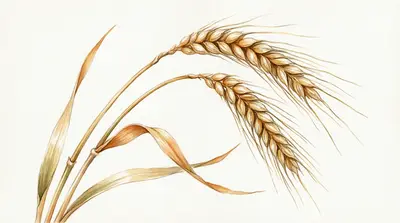
2. Pearl barley from the soup aisle, easy to digest and fun to peck.
3. Whole hulled barley, great for scratch but requires plenty of grit.
4. Avoid any leftover barley soup from dinner that contains onions or garlic.
Feeding Guide
Chicks under four weeks: Only cooked, very soft pearl barley in tiny amounts.
Pullets and young layers: A sprinkle of dry pearl barley mixed with their grit.
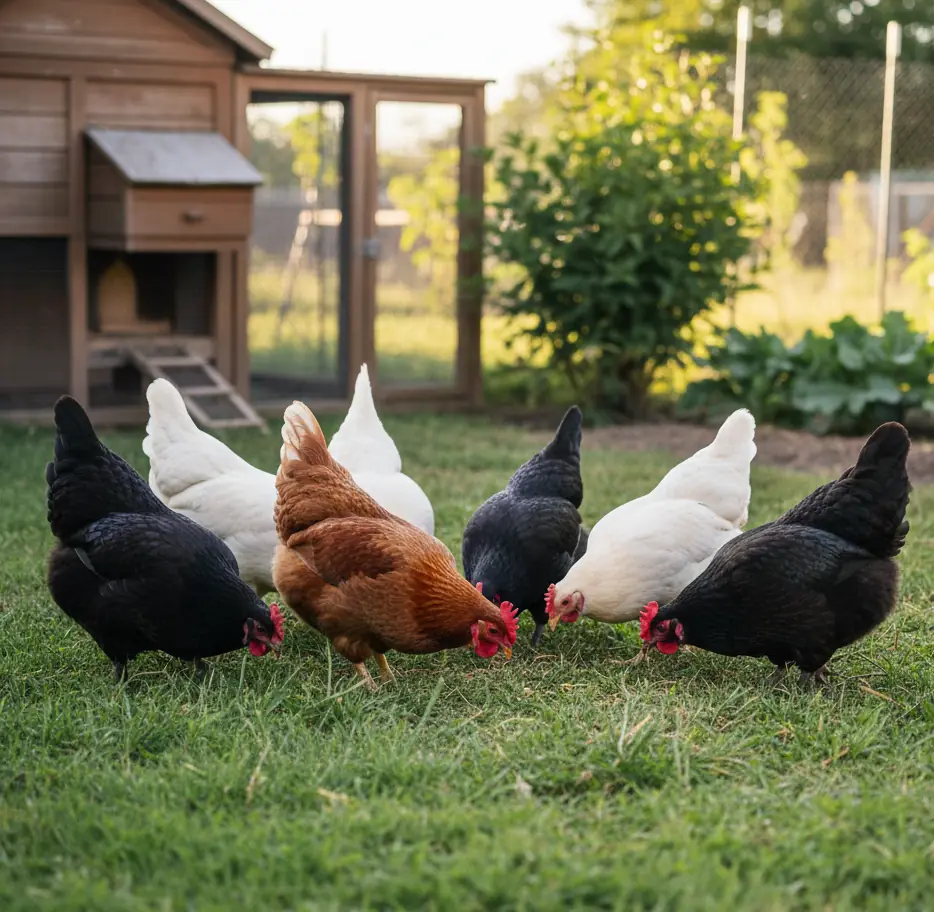
Adult hens and roosters: Toss a handful of dry whole barley into the yard for foraging.
Positive Signs
* Hours of intense scratching and pecking as they hunt for every grain.
* Firm, incredibly healthy droppings from all that good fiber.
* Beautiful, bright green yolks if you feed them sprouted barley grass.
Negative Signs
* Crop impaction if fed dry without any access to small stones or commercial grit.
* Birds picking out other treats and leaving the barley behind if they are not used to the texture.
Preparation Science
Sprouting barley for three to five days neutralizes phytic acid, an antinutrient in the hull, unlocking the trapped phosphorus and making it completely bioavailable to the chicken.
Enrichment Science
Soaking and sprouting barley transforms a hard, dormant seed into a living plant, providing crucial visual stimulation and fresh enzymes that are otherwise missing in winter.
Play Ideas
Easy: Mix dry pearl barley into their dust bath area to encourage natural foraging.
Medium: Cook barley in unsalted vegetable broth and serve it warm on a cold morning.
Hard: Set up a rotating fodder system in trays to grow fresh barley grass all winter long.
FAQ
Q: What is the difference between pearl barley and hulled barley?
A: Pearl barley has the tough outer bran removed, making it softer and easier to digest. Hulled barley is the whole grain, which is tougher but has more fiber. Both are safe!
Q: How do I sprout barley for them?
A: Soak the grains in water overnight, then drain them. Rinse and drain them twice a day for a few days until little green tails appear. The chickens will go crazy for it!
Alternatives
* Oats are softer and slightly higher in fat, making them better for extreme cold.
* Wheat is sweeter and usually preferred by picky chickens who might reject tough barley.
* Corn gives a faster energy spike but lacks the superior fiber profile of barley.
Risks & Disclaimer
Barley is a fantastic, tough grain that keeps your flock busy and healthy. Just ensure your birds have free access to grit so their gizzards can grind up these sturdy little seeds!