Preparation
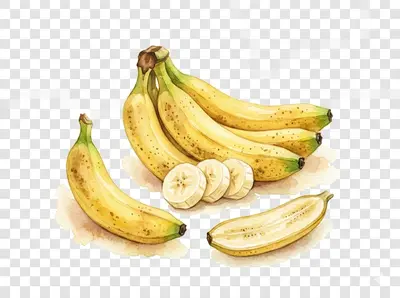
Peel them first! While the peel is technically safe, it is extremely tough, bitter, and coated in pesticides. Mash the soft flesh or slice it into coins.
Quantity
One banana per five chickens, strictly as a rare treat due to the sugar content.
Notes
Great for a quick energy boost. Watch out for feeding it too often, bananas are very dense and sticky, which can cause crop issues if overfed.
Nutritional Benefits
* Packed with potassium to help regulate their heart rate and muscle contractions.
* High in vitamin B6 which keeps their nervous system healthy and calm.
* Full of easy-to-digest carbohydrates for a rapid burst of energy on cold mornings.
Safe Varieties
1. Fresh, perfectly ripe yellow bananas, soft and sweet.
2. Overripe brown bananas that you were going to use for banana bread, they love the extra sugar!
3. Mashed bananas mixed with crushed layer pellets for a recovering sick bird.
4. Avoid dried banana chips from the store, they are usually deep-fried in oil and sugar!
Feeding Guide
Chicks under four weeks: A tiny smear of mashed banana on a dish.
Pullets and young layers: Small slices spread out so everyone gets a bite.
Adult hens and roosters: Break a peeled banana in half and toss it to the flock.
Positive Signs
* Eagerly snatching the soft chunks and running away to eat in peace.
* Quick recovery in lethargic birds needing an energy spike.
* Normal droppings as long as it is fed in moderation.
Negative Signs
* Sticky, bound-up crops if they eat too much without enough water to wash it down.
* Overweight birds if you are tossing them sugary bananas every single day.
Preparation Science
Mashing an overripe banana breaks down the starches into simple sugars, making it the perfect vehicle for mixing in bitter medications or supplement powders that they would otherwise reject.
Enrichment Science
The exceptionally soft texture of a ripe banana requires a different eating technique—scooping and swallowing rather than striking and breaking—which exercises different jaw muscles.
Play Ideas
Easy: Slice it into thin coins and scatter them around the run.
Medium: Mash a banana and mix it with plain yogurt and oats for a healthy porridge.
Hard: Suspend a peeled banana from a string, it is hilarious watching them try to peck a swinging, mushy target.
FAQ
Q: Can I feed them the banana peel?
A: You can, but they usually hate it. It is very tough, bitter, and if it is not organic, it is covered in chemicals. It is much safer and easier to just compost the peels.
Q: Is a completely brown, mushy banana safe?
A: Yes! As long as it is not actively growing mold or smelling like alcohol, overripe bananas are perfectly safe and very easy for them to digest.
Alternatives
* Apples provide much needed roughage and beak conditioning that bananas completely lack.
* Berries have far less sugar and much higher vitamin content for daily feeding.
* Sweet potatoes offer similar dense carbohydrates but must be cooked first.
Risks & Disclaimer
Bananas are a fantastic, high-energy treat. Because they are so dense and sugary, stick to feeding them sparingly so your flock stays fit, trim, and free of sticky crop issues!