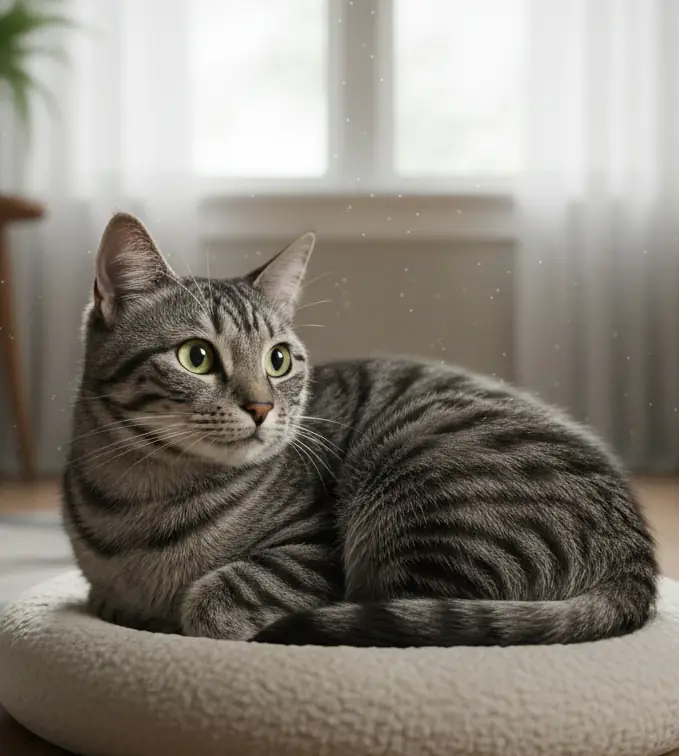
Preparation
1Place the chicken chunks, celery stalk, and dandelion leaf (if using) in a small saucepan with 2 cups of water. Bring to a gentle simmer over medium-low heat — no rolling boil, we're making broth, not a statement.
2Let it simmer for 20 minutes with the lid slightly ajar. The kitchen will start smelling like a cat's dream and a human's "eh, I guess."
3Strain out ALL the solids. You want nothing but clear, thin liquid. Let it cool to just above room temperature, then stir in the salmon oil. Serve 2-3 tablespoons over their regular food or in a shallow dish beside it.
Best Time to Serve
Warmed to body temperature alongside their evening meal
Purpose
Cats are famously terrible drinkers. This broth exists to sneak moisture into senior cats, cats on dry food, or any feline who treats their water bowl like a decorative centerpiece. The low phosphorus profile and gentle protein make it kidney-friendly without tasting like medicine.
When to Use
Ideal for senior cats (10+), cats with early kidney concerns, post-illness recovery, or honestly any cat who you suspect hasn't voluntarily sipped water since 2019. Serve warm — cats are far more interested in warm liquids that smell like something died (in the best way).
What to Expect
A pale gold, almost translucent liquid with the faintest shimmer of fat on the surface. It smells like a very polite fish restaurant. Pour it over kibble and watch your cat suddenly remember that food can be wet.
Does Not Fix
This is not a substitute for veterinary treatment of kidney disease. If your cat's bloodwork is already flagging, this broth is a sidekick, not a hero.
Time to Effect
Improved hydration within 24-48 hours (you'll notice the litter box). Coat and energy improvements after 1-2 weeks of regular use.
Safety Risks
Never add salt, garlic, onion, or any allium — all are toxic to cats, even in broth form.
If your cat has diagnosed kidney disease, consult your vet about protein levels before starting any broth routine.
Discard after 4 days in the fridge. Cats have zero tolerance for "it's probably still fine."
Enrichment Ideas
Easy: Pour the broth into a shallow saucer and let your cat lap at their own contemplative pace. Cats prefer wide, shallow vessels where their whiskers don't touch the sides.
Medium: Freeze the broth into tiny ice cubes and drop one into their water bowl — it melts slowly and flavors the water all day, like a cat tea bag.
Hard: Pour broth into a silicone puzzle feeder with channels and grooves. Your cat has to lick through a maze to get the good stuff, which also slows intake and extends the enrichment.
Owner Tips
Warm broth gets 3x more interest from cats than cold broth. Always microwave for 5-10 seconds or warm in a pan — test it on your wrist before serving.
Freeze in ice cube trays and pop out one cube per meal. This turns a 25-minute recipe into two weeks of effortless kidney support.
If your cat sniffs and walks away, try drizzling just 1 tablespoon over their regular food instead of serving it solo. Some cats need to be eased into the concept of "soup."
Start with every-other-day servings and watch the litter box. More clumping = more hydration = mission accomplished.
Don't panic if the broth gels in the fridge — that's collagen. Warm it up and it liquefies right back.
 Dog
Directly Compatible
Dog
Directly Compatible
 Domestic Rabbit
Use with Caution
Domestic Rabbit
Use with Caution