Preparation
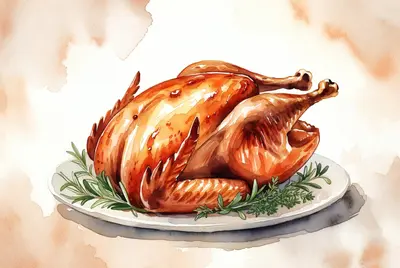
Cook it fully until no pink remains. Plain is the rule — absolutely no stuffing, gravy, garlic, onion, butter, salt, or seasoning of any kind. Boneless only, always. Skin off too, since it's high in fat and can cause stomach upset.
Quantity
A few thumbnail-sized pieces two or three times a week is plenty. Keep it to roughly 10% of your cat's daily calories — it's a fantastic protein supplement, not a meal replacement.
Notes
Turkey is genuinely one of the safest proteins you can offer your cat. It's a great option if your cat has developed a sensitivity to chicken, since it's a different protein source despite being similarly lean and digestible. Just keep holiday leftovers off the menu — seasoned turkey is a no-go.
Nutritional Benefits
* Excellent lean protein — cats are obligate carnivores and turkey gives their bodies exactly what they're built to use
* Naturally low in fat (especially breast meat), great for maintaining a healthy weight
* Rich in B vitamins including niacin and B6, which support a healthy metabolism and nervous system
* Contains taurine — an essential amino acid that cats must get from food, and turkey delivers it naturally
* Gentle on the digestive system, making it a solid choice for cats with sensitive stomachs
Safe Varieties
1. Cooked turkey breast (boneless, skinless) — leanest, easiest to digest, best all-around choice
2. Cooked turkey thigh (skinless, boneless) — slightly richer and a little more flavourful, still great in moderation
3. Cooked turkey heart — an organ meat gem, high in taurine and nutrients, offer as an occasional treat
4. Cooked turkey liver — nutrient-dense but very rich; limit to once a week at most to avoid vitamin A overload
5. Plain deli turkey (very low sodium) — acceptable in a pinch, but check the label carefully and choose the blandest option you can find
Feeding Guide
Most adult cats do well with 1–2 tablespoons of shredded cooked turkey a few times per week. Kittens can enjoy small amounts too — protein is their main fuel source — but keep the pieces tiny since their stomachs are still finding their feet. Senior cats or those with kidney disease should have portion sizes discussed with a vet first, since protein needs shift with age and health. Cats with a known poultry sensitivity should skip it, though turkey is often tolerated when chicken isn't.
Positive Signs
* Enthusiastic greeting at meal time and zero hesitation at the bowl
* Glossy, healthy coat with regular lean protein in the rotation
* Steady energy and playful behaviour between meals
* Good lean muscle tone, especially in active or athletic cats
Negative Signs
* Vomiting or loose stools after eating — could be too much too fast, or a sensitivity showing up
* Refusing regular food in favour of turkey only — your cat is playing you, and it's working
* Itchy skin, excessive scratching, or hair loss — possible signs of a poultry allergy
* Lethargy or reduced appetite after a new introduction — give it a day or two, and cut back if it continues
Preparation Science
Cooking turkey to an internal temperature of 165°F (74°C) eliminates Salmonella and other bacteria that raw poultry commonly carries. Boiling or baking with no added oil, salt, or seasoning is the cleanest method — it keeps the nutritional value intact and avoids introducing anything your cat's digestive system doesn't need.
Enrichment Science
Turkey's strong meaty scent is a direct line to your cat's hunting instincts — presenting it in new ways keeps mealtimes from becoming routine and gives their nose and brain a genuine workout. Cats in the wild would earn their protein, and even a small puzzle element taps into that deeply satisfying process.
Play Ideas
Easy: Shred a small piece of cooked turkey and scatter it across a lick mat so your cat has to lick and nuzzle for every bite.
Medium: Wrap a tiny piece of turkey inside a crinkle ball or paper tube — let your cat bat it open and discover the reward inside.
Hard: Set up a simple three-cup game with a piece of turkey hidden under one cup, switching them slowly so your cat has to track the scent and make a choice.
FAQ
Q: Can I give my cat turkey from Thanksgiving dinner?
A: Almost certainly not — holiday turkey is loaded with butter, garlic, onion, salt, and seasoning that are genuinely harmful to cats. The only turkey that's safe is plain, unseasoned, fully cooked turkey you've prepared yourself.
Q: Is turkey better than chicken for cats?
A: They're very similar nutritionally — both are lean, high-quality proteins with taurine. Turkey is a great swap if your cat has developed a sensitivity to chicken, or just a nice way to add variety to their protein rotation.
Alternatives
* Chicken (cooked, plain) — nearly identical in nutrition and safety; the classic choice and easily the most common go-to protein for cats
* Cooked salmon — richer in omega-3s but fattier and higher in calories; great occasionally but turkey wins for everyday lean protein
* Canned tuna — cats are obsessed with it, but it's high in mercury and shouldn't be a regular thing; turkey is a much healthier routine option
* Commercial turkey-based cat treats — convenient, but often packed with salt and additives; plain cooked turkey beats them on every nutritional measure
Risks & Disclaimer
Plain cooked turkey is one of the safest proteins you can share with your cat, but always introduce it gradually and keep an eye out for any digestive upset or allergy signs. If your cat has an existing health condition — especially kidney disease — check with your vet about appropriate protein portions before making turkey a regular part of their diet.