Preparation
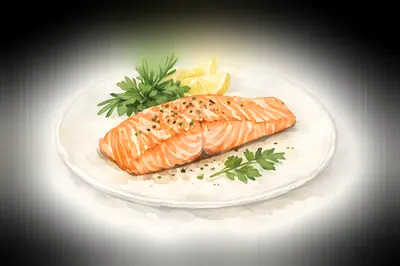
Always cook it thoroughly — no raw salmon, ever. Remove all bones. Skip the skin if it's been seasoned. Plain poached or baked only; no butter, garlic, onion, or salt.
Quantity
Treats only — a few small pieces (around a tablespoon of flaked fish) two or three times a week at most. Salmon should never replace a complete cat food.
Notes
Cooked salmon is a great protein boost and a wonderful treat for picky eaters. Raw salmon is a hard no — it can carry a bacteria called Neorickettsia helminthoeca that's toxic to cats, plus parasites. Canned salmon packed in water is a convenient fallback, but watch sodium levels and avoid anything in oil or brine.
Nutritional Benefits
* Loaded with omega-3 fatty acids (EPA and DHA) — great for a shiny coat and healthy skin
* High-quality animal protein to support lean muscle — cats are obligate carnivores, and salmon delivers exactly what they're built for
* Good source of B vitamins, especially B12, which keeps your cat's nervous system humming
* Contains selenium, an antioxidant mineral that supports immune health
* Natural source of vitamin D, which cats don't produce efficiently on their own
Safe Varieties
1. Fresh or frozen salmon, cooked plain (baked or poached) — best option, full control over ingredients
2. Canned salmon in water, no salt added — convenient and usually well-tolerated
3. Canned salmon in water, low sodium — acceptable if no-salt-added isn't available, just rinse it
4. Canned salmon in oil or brine — only as a last resort and only after a good rinse; not ideal
5. Smoked salmon — technically edible but way too salty; skip it
Feeding Guide
About a tablespoon of flaked cooked salmon is plenty for a treat serving. Two to three times a week is a reasonable frequency — enough for your cat to enjoy the benefits without it crowding out their balanced diet. Kittens can have small tastes too, but stick to fully cooked, boneless, plain fish. Cats with kidney disease should avoid salmon altogether due to its phosphorus content — check with your vet.
Positive Signs
* Your cat comes running the moment they catch a whiff — peak enthusiasm is a good sign
* They eat it eagerly and walk away satisfied, not frantic for more
* Coat looks glossy and soft over time with regular omega-3 intake
* Digestion looks normal — no vomiting or unusual litter box activity
Negative Signs
* Vomiting or diarrhea after eating — could be too rich, or a sensitivity; cut back and try a smaller amount next time
* Scratching, skin irritation, or patchy fur — some cats have fish allergies; if you see this, pull salmon from the menu
* Drinking more water than usual — could be a sodium issue if you used canned fish; switch to no-salt varieties
* Complete disinterest — rare for a cat and salmon, but if they refuse it consistently, don't force it
Preparation Science
Cooking salmon to an internal temperature of 145°F (63°C) kills parasites and neutralizes the bacteria that make raw salmon dangerous. Poaching or baking in plain water keeps the omega-3s intact better than frying, which can degrade those delicate fatty acids.
Enrichment Science
Cats are hardwired to hunt and eat protein-rich prey, and the strong scent of fish activates their predatory interest in a way few foods can. Offering salmon as an occasional treat taps into that instinct and adds variety that keeps mealtime mentally engaging rather than just routine.
Play Ideas
Easy: Flake a small piece of cooked salmon into your cat's puzzle feeder or lick mat — instant upgrade to their usual treat routine.
Medium: Stuff a small Kong or treat ball with a mixture of plain salmon and a little cooked pumpkin — they'll work for every last bite.
Hard: Freeze small portions of flaked salmon in water into ice cubes; let your cat bat the cube around and lick the fish out as it melts — great for hot days.
FAQ
Q: Can I give my cat raw salmon as part of a raw diet?
A: No — and this one's a firm line. Raw salmon (and other raw fish) can carry Neorickettsia helminthoeca, a bacteria that causes serious illness in cats, plus parasites like tapeworms. Always cook it. Raw diet or not, salmon needs heat first.
Q: My cat eats commercial cat food with salmon in it — do I still need to be careful about giving extra salmon?
A: Yes. Many cat foods already include fish, so piling on extra salmon treats can push your cat's fish intake too high, which over time may cause a thiamine (vitamin B1) deficiency if raw fish is involved, or just an unbalanced diet overall. Keep extra salmon as an occasional treat, not a daily topper.
Alternatives
* Chicken — leaner, lower in omega-3s, but often easier on sensitive stomachs and less likely to trigger fish allergies; a good everyday protein choice
* Tuna — cats go wild for it, but it's higher in mercury and very addictive; salmon is the better long-term pick
* Sardines (in water, no salt) — similar omega-3 profile to salmon, smaller fish means lower mercury, and most cats love them; a solid alternative
* Shrimp — very low fat, high protein, and most cats enjoy the texture; less omega-3 than salmon but great as a low-calorie treat
Risks & Disclaimer
Always serve salmon cooked, boneless, and plain — raw salmon carries real health risks for cats that cooking eliminates. As a treat in reasonable amounts, cooked salmon is a genuinely good choice for most healthy cats.