Preparation
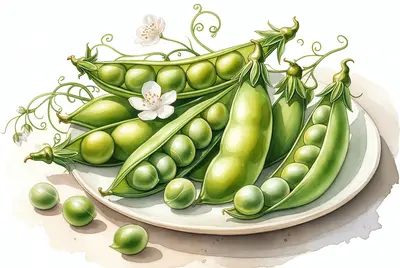
Cook and mash or crush. Avoid hard dry peas.
Quantity
About 1 teaspoon mashed peas once or twice weekly.
Notes
Some cats like pea texture in commercial foods.
Nutritional Benefits
* Small plant-based fiber support.
* Contains modest vitamins.
* Adds texture interest.
* Low calorie treat option.
Safe Varieties
1. Mashed cooked peas — safest.
2. Steamed peas — soft.
3. Mixed with wet food — common in cat food formulas.
4. Raw peas — not recommended.
Feeding Guide
Kittens: pinch-sized pea mash.
Adult cats: up to 1 teaspoon.
Sensitive cats: test tiny amount first.
Positive Signs
* Normal digestion.
* Mild curiosity.
* No vomiting.
* Stable stool.
Negative Signs
* Gas → reduce amount.
* Diarrhea → stop peas.
* Refusal → don’t force.
Preparation Science
Cooking breaks down starch structures, improving digestibility.
Enrichment Science
Small spherical foods can trigger playful hunting behavior because cats notice rolling shapes.
Play Ideas
Easy: Mix pea mash into meal.
Medium: Hide peas inside wet food blobs.
Hard: Freeze pea puree dots.
FAQ
Q: Are peas protein for cats?
A: Only small amounts — cats are meat specialists.
Q: Can kittens eat peas?
A: Yes, but only tiny mashed amounts.
Alternatives
* Pumpkin is better for gut regulation.
* Green beans are better weight fillers.
* Carrot is slightly sweeter.
* Zucchini is more hydrating.
Risks & Disclaimer
Peas are cute little extras, not a dietary foundation.