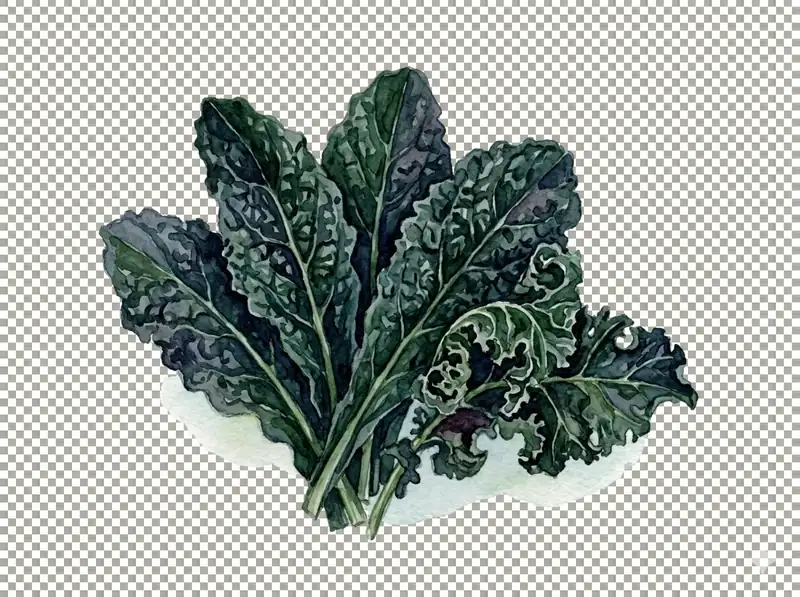
Preparation
Cook thoroughly and chop small.
Quantity
½–1 teaspoon occasionally.
Notes
High oxalate content means moderation matters.
Nutritional Benefits
* Contains vitamins A, C, and K.
* Adds micronutrients.
* Fiber support.
* Low calorie.
Safe Varieties
1. Steamed chopped kale — safest.
2. Boiled kale bits — acceptable.
3. Very small mixed-in pieces — occasional.
4. Raw kale — avoid.
Feeding Guide
Kittens: almost none.
Adult cats: tiny cooked pinch.
Sensitive cats: skip.
Positive Signs
* Normal digestion.
* No vomiting.
* Mild interest.
Negative Signs
* Stomach upset → stop.
* Gas → discontinue.
* Refusal → don’t push.
Preparation Science
Cooking reduces tough fiber rigidity and oxalate impact.
Enrichment Science
Strong leaf scent may trigger investigative sniffing.
Play Ideas
Easy: Mix tiny kale flakes in food.
Medium: Hide kale inside meat mash.
Hard: Freeze kale puree dots.
FAQ
Q: Is kale better than spinach?
A: Not necessarily — variety matters more.
Q: Can cats eat raw kale?
A: Not recommended.
Alternatives
* Spinach is softer.
* Green beans are easier.
* Pumpkin is gentler digestion.
* Zucchini is more hydrating.
Risks & Disclaimer
Use kale like a strong spice — tiny bits, not daily.