Preparation
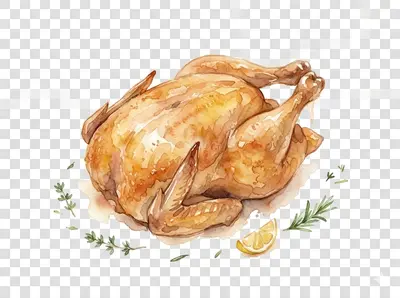
Always cook it fully — no pink, no raw, no exceptions. Plain means plain: no salt, no garlic, no onion, no marinades, no butter. Just boring (to you) perfectly cooked poultry.
Quantity
A few small pieces — think thumbnail-sized chunks — two or three times a week is the sweet spot. Chicken is a treat, not a meal replacement. Keep it to about 10% of your cat's daily calories.
Notes
Boneless only, always. Cooked bones splinter into sharp little hazards your cat absolutely does not need. Chicken is genuinely one of the safest proteins you can offer — just keep it simple and unseasoned.
Nutritional Benefits
* High-quality animal protein — cats are obligate carnivores and chicken delivers exactly what their bodies are built to run on
* Lean and low in fat (especially breast meat), great for weight management without skimping on protein
* Packed with B vitamins like niacin and B6, which help keep your cat's metabolism humming
* Contains taurine — an essential amino acid cats can't produce themselves, and chicken has it naturally
* Easy on the stomach, making it a go-to for cats with sensitive digestion or recovering from illness
Safe Varieties
1. Cooked chicken breast — leanest cut, lowest fat, easiest to digest, best all-rounder
2. Cooked chicken thigh (skinless) — slightly richer, still great, just trim the fat
3. Cooked chicken liver — nutrient-dense treat, but limit to once a week max (very rich)
4. Cooked chicken heart — another organ meat winner, high in taurine
5. Plain rotisserie chicken — acceptable in a pinch if you can find unseasoned sections, but check carefully for salt and spices
Feeding Guide
A typical adult cat does well with 1–2 tablespoons of shredded cooked chicken a few times per week. Kittens can have small amounts too — protein is their best friend — but keep portions tiny since their stomachs are small. Senior cats or those with kidney disease should check with the vet first, since higher protein isn't always the right call. Cats with food allergies to chicken should obviously skip it — yes, chicken allergies are a real thing.
Positive Signs
* Enthusiastic approach to the food bowl (translation: your cat approves)
* Clean, shiny coat over time with regular lean protein in the diet
* Steady energy and playful behavior after eating
* Good muscle tone, especially in active cats
Negative Signs
* Vomiting or diarrhea after eating — may signal sensitivity or too much too fast
* Refusing to eat their regular food (your cat has discovered leverage — don't negotiate)
* Lethargy or loss of appetite after a new introduction
* Itchy skin, excessive grooming, or hair loss — possible signs of a chicken allergy
Preparation Science
Cooking chicken to an internal temperature of 165°F (74°C) eliminates Salmonella and Campylobacter — the two main bacterial villains lurking in raw poultry. Boiling or baking with no added oil or seasoning preserves the nutritional value while keeping it safe.
Enrichment Science
Cats are hardwired to hunt and eat meat — offering real animal protein like chicken taps into that deep instinct and keeps mealtimes mentally engaging. The smell and texture of real chicken is far more stimulating than heavily processed treats.
Play Ideas
Easy: Hide a small piece of shredded chicken inside a crinkle ball or under a cup for a simple nose-work game.
Medium: Freeze tiny chicken pieces inside an ice cube — cats will bat, lick, and work for their reward on a warm day.
Hard: Thread a small piece of chicken onto a string-free puzzle feeder or lick mat with multiple compartments so your cat has to work each section to get their reward.
FAQ
Q: Can I give my cat raw chicken?
A: It's not recommended. Raw chicken carries real risk of Salmonella and Campylobacter — bacteria that can make your cat (and you) genuinely ill. Stick to fully cooked, plain chicken every time.
Q: My cat ate a tiny bit of chicken with garlic in it — should I panic?
A: A tiny accidental taste is usually not an emergency, but garlic is genuinely toxic to cats and can damage red blood cells over time. If your cat ate more than a lick, call your vet. Don't make it a habit.
Alternatives
* Turkey (cooked, plain) — nearly identical to chicken in nutrition and safety, great alternative if your cat has a chicken sensitivity
* Canned tuna — cats love it, but high in mercury and low in taurine balance; fine occasionally, not a chicken substitute
* Cooked salmon — rich in omega-3s, but fattier than chicken and should stay a less frequent treat
* Commercial chicken-based cat treats — convenient but often contain additives and salt; real cooked chicken beats them nutritionally every time
Risks & Disclaimer
Cooked plain chicken is one of the safest proteins you can offer your cat, but always introduce new foods gradually and watch for any signs of intolerance. If your cat has an existing health condition — especially kidney disease or a known food allergy — check with your vet before making chicken a regular part of their diet.