Preparation
Cook or finely grate. Remove hard raw chunks.
Quantity
About ½–1 teaspoon mashed carrot, once or twice weekly.
Notes
Cats don’t need carrots, but some enjoy the texture or fiber.
Nutritional Benefits
* Fiber supports digestion comfort.
* Contains small vitamins that support general health.
* Low calorie treat option.
* Good for mixing with other foods.
Safe Varieties
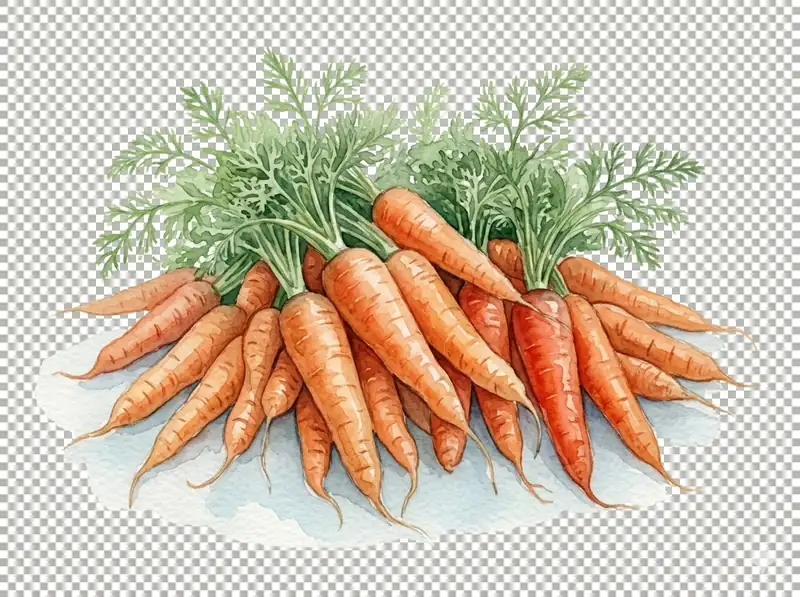
1. Steamed mashed carrot — safest and softest.
2. Boiled carrot bits — easy chewing.
3. Finely grated raw carrot — only small amounts.
4. Large raw carrot chunks — avoid, choking risk.
Feeding Guide
Kittens: tiny pinch mashed carrot.
Adult cats: up to 1 teaspoon.
Sensitive cats: start microscopic and watch reaction.
Positive Signs
* Normal digestion.
* Curious sniffing behavior.
* No vomiting or stool change.
* Mild interest in flavor.
Negative Signs
* Gagging → remove carrot immediately.
* Diarrhea → stop vegetable treats.
* Ignoring food → don’t push it.
Preparation Science
Heating softens cellulose structures, making plant fiber less mechanically stressful for feline digestion.
Enrichment Science
Small fiber textures may stimulate natural chewing instincts even in cats that usually swallow food quickly.
Play Ideas
Easy: Mix carrot mash into wet food.
Medium: Hide tiny carrot specks in a treat mat.
Hard: Freeze carrot puree dots as puzzle treats.
FAQ
Q: Do cats need carrots for vision?
A: Not really — cats already have good night vision.
Q: Raw carrot safe?
A: Only grated and in very small amounts.
Alternatives
* Pumpkin is better for digestion regulation.
* Green beans are lighter fiber.
* Zucchini is more hydrating.
* Peas offer more plant protein.
Risks & Disclaimer
Carrot is a fun side character, not the main meal hero. Feed tiny portions and stay happy.