Preparation
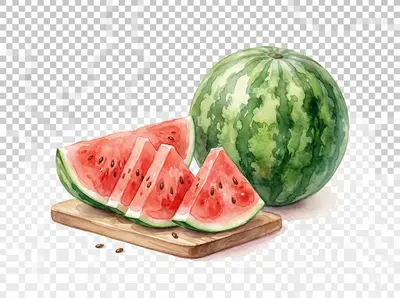
Wash rind well before cutting, remove all seeds (black and white), chop flesh into tiny pea-sized bits. Never offer rind unless organic and thoroughly scrubbed — and even then, only tiny bits.
Quantity
1-2 small pieces (pea-sized) 1-2 times per week max. Watermelon is high in water and sugar, so treat it as a hydrating occasional snack.
Notes
Watermelon is a Budgie favorite for its hydration and sweetness, but its sugar content means moderation is key. Perfect for hot days or encouraging water intake.
Nutritional Benefits
* High water content helps keep your Budgie hydrated, especially in warm weather or dry indoor air
* Vitamin A supports bright eyes and healthy feathers for your show-off Budgie
* Vitamin C boosts immunity so your little explorer stays spry and healthy
* Lycopene (in pink flesh) is an antioxidant that helps protect cells
Safe Varieties
1. Seedless watermelon - easiest to prep, no seed removal needed, Budgie favorite
2. Seeded watermelon (seeds removed) - same nutrition, just extra prep step
3. Yellow watermelon - fun color, slightly different flavor, great for variety
4. Organic watermelon - lower pesticide risk on rind if you offer tiny rind bits
5. Avoid: Watermelon rind unless organic and scrubbed, pre-cut fruit with preservatives, or any moldy pieces
Feeding Guide
All Budgies: 1-2 pea-sized pieces, 1-2x weekly
If your Budgie loves fruit: Up to 3 small pieces, but always rotate with veggies
Senior or less active: Stick to 1 piece, once weekly, to avoid excess sugar and water
Positive Signs
* Your Budgie eagerly pecks at the pink bits and does a happy wing wiggle
* Bright eyes and active preening after mealtime
* Normal, consistent droppings and steady energy levels
Negative Signs
* If your Budgie ignores watermelon, try cucumber or zucchini for a less sweet hydrating option
* Very loose droppings after eating? Reduce portion — watermelon's high water content can cause this
* Any signs of discomfort? Remove the fruit and offer plain seed mix for a day
Preparation Science
Removing all seeds prevents choking, while washing the rind before cutting reduces surface contamination. Chopping flesh small ensures safe, easy eating for tiny beaks.
Enrichment Science
Watermelon's juicy texture and bright color stimulate your Budgie's senses and encourage natural pecking and foraging — it's a refreshing adventure in every bite!
Play Ideas
Easy: Place a small watermelon piece on a flat perch for easy access and discovery
Medium: Freeze tiny watermelon bits in an ice cube tray with water for a cool summer puzzle
Hard: Create a "watermelon kabob" by threading small watermelon pieces with safe veggies on a bird-safe skewer
FAQ
Q: Can my Budgie eat watermelon rind?
A: Only if it's organic, thoroughly scrubbed, and chopped into tiny bits — but it's safer to stick to the pink flesh only.
Q: Is frozen watermelon safe for my Budgie?
A: Yes, if it's plain, unsweetened, and thawed completely to room temperature before serving tiny bits.
Alternatives
* Swap watermelon for cucumber when you want a less sweet, higher-hydration option
* Try cantaloupe for similar nutrition with a different flavor profile
* Bell pepper offers crunch and vitamin C without the sugar content of fruit
Risks & Disclaimer
Watermelon is a safe, hydrating occasional treat for your Budgie when seeds are removed and flesh is chopped small. Keep portions tiny and varied, and watch your feathered friend enjoy this juicy, refreshing snack.