Preparation
Wash thoroughly under cold water, remove thick stems, chop into Budgie-sized bits no bigger than your pinky nail. Never serve wilted or yellowed leaves.
Quantity
Offer a small piece (about 1 square inch) 2-3 times per week max. Rotate with other greens to keep meals exciting and balanced.
Notes
Kale's great for variety, but it contains goitrogens that can mess with thyroid function if fed daily. Perfect as a weekly "green treat" alongside safer daily greens like romaine.
Nutritional Benefits
* Packed with vitamin K to help keep your Budgie's bones strong for all that climbing and flying
* Vitamin C boosts immunity so your little explorer stays spry and healthy
* Fiber supports happy digestion and regular poops (yes, we talk about poops!)
* Antioxidants help fight everyday wear and tear from being an adorable busybody
Safe Varieties
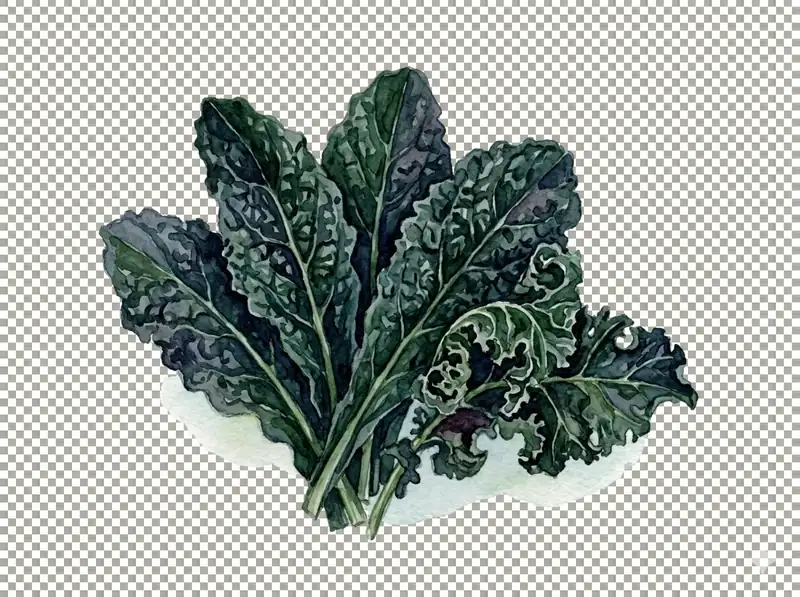
1. Curly kale - the classic crinkly type, easiest for Budgies to grip and nibble
2. Lacinato kale (dino kale) - smoother leaves, still great, just chop a bit smaller
3. Red Russian kale - pretty purple veins, same nutrition, fun color enrichment
4. Baby kale - tender and easy to eat, but watch portions since it's more concentrated
5. Avoid: Pre-washed bagged kale with preservatives or anything that smells "off"
Feeding Guide
Tiny Budgie (under 30g): 1/2 square inch piece, 2x weekly
Standard Budgie (30-40g): 1 square inch piece, 2-3x weekly
Older or less active Budgie: Stick to 1/2 square inch, 1-2x weekly to avoid digestive upset
Positive Signs
* Your Budgie eagerly munches the leaf edges and does a happy little wing wiggle
* Bright, alert eyes and active foraging behavior after eating
* Normal, well-formed droppings within a few hours
Negative Signs
* If your Budgie turns away or spits out kale, don't force it — try a different green
* Soft or unusually colored droppings after eating? Skip kale for a week and chat with your vet
* Any puffed-up, lethargic behavior after new foods? Remove immediately and monitor closely
Preparation Science
Chopping kale into tiny pieces increases surface area, making nutrients easier to absorb and reducing choking risk for your small-beaked friend.
Enrichment Science
Kale's crinkly texture gives your Budgie's beak a fun workout and satisfies their natural urge to shred and explore — it's snack time and playtime rolled into one.
Play Ideas
Easy: Clip a small kale piece to the cage bars with a clean veggie clip for easy access
Medium: Hide tiny kale bits in a foraging toy to encourage natural hunting instincts
Hard: Create a "kale kabob" with safe veggie chunks on a bird-safe skewer for a DIY puzzle meal
FAQ
Q: Can my Budgie eat kale stems?
A: Skip the thick, woody stems — they're tough to digest and a choking hazard. Stick to the tender leaves and soft midribs only.
Q: Is organic kale worth it for my Budgie?
A: If you can swing it, yes! Budgies are tiny, so pesticides hit them harder. But thoroughly washed conventional kale is still a safe occasional treat.
Alternatives
* Swap kale for romaine lettuce when you want a safer daily green with fewer goitrogens
* Try Swiss chard for similar crunch but rotate it too — it also has oxalates
* Collard greens are a gentler alternative with fewer thyroid concerns, great for frequent feeding
Risks & Disclaimer
Kale's a nutritious occasional treat, but too much can interfere with thyroid health. Keep it as a weekly variety item, and your Budgie will thrive on a balanced, colorful diet.