Preparation
11. Combine the peanut butter and rendered suet in a bowl. Work them together with a fork or your hands until uniformly blended. The mixture should feel like thick frosting — pliable but holding its shape.
22. Add the cornmeal and mix thoroughly. The paste will stiffen noticeably. Keep mixing until no dry cornmeal pockets remain. This is your base bark butter.
33. Fold in the crushed mealworms and sunflower chips. Distribute evenly — every bite should be a surprise.
44. Head outside with the bowl and a butter knife or small spatula. Find a tree with deeply furrowed bark (oak, pine, and maple are excellent) and press the paste firmly into the bark crevices. Work it into cracks and ridges with the knife. Aim for spots 4-8 feet up the trunk — high enough that ground predators aren't a threat, low enough that you can refill easily.
55. Apply the paste to 3-4 spots on the same tree or spread across multiple trees. Variety in placement gives multiple species access without territorial conflicts.
Best Time to Serve
Early morning, when woodpeckers and nuthatches start their first foraging circuit of the day
Purpose
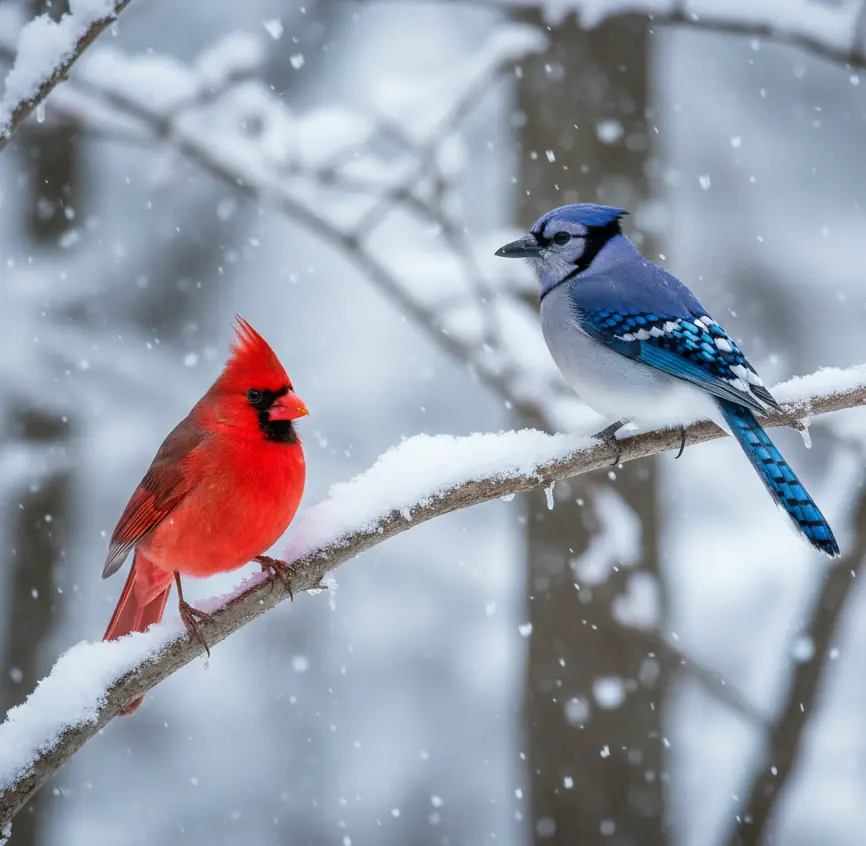
Woodpeckers, nuthatches, and brown creepers don't use platform feeders. They live on vertical surfaces — tree trunks, branches, fence posts — hitching up and down bark looking for insects tucked into crevices. This butter meets them where they already are: smeared directly into bark fissures, it mimics the experience of extracting grubs from wood, delivers concentrated fat and protein, and keeps these incredible birds visiting your specific trees all winter long.
When to Use
Best for winter and early spring when insect populations crash and bark-foraging birds need supplemental calories. Especially valuable during ice storms that coat bark surfaces and block access to natural food sources. Also works year-round as an attractant if you're trying to bring woodpeckers into a new yard.
What to Expect
A thick, chunky, tan-brown spread flecked with visible nut pieces and tiny mealworm fragments. It has the consistency of stiff frosting and smells like a trail mix convention. Pressed into bark crevices, it looks remarkably natural — like the tree grew its own snack bar. A downy woodpecker will hitch up, discover it, and start jackhammering with pure joy.
Does Not Fix
Won't replace the calcium and chitin that woodpeckers get from real insects. This is a high-energy supplement, not a complete diet. Keep dead trees (snags) standing in your yard if possible — they're the real woodpecker restaurant.
Time to Effect
Immediate attraction once discovered. Woodpeckers investigate new food sources within 1-3 days and will return daily to a reliable bark butter tree.
Safety Risks
- Only use this in cool weather (below 65°F / 18°C). In warm temperatures, the fat melts, runs down the bark, and can mat bird feathers — greasy breast feathers lose waterproofing and insulation, which can be fatal in cold nights.
- Check the peanut butter label for xylitol. This artificial sweetener is increasingly common in "natural" brands and is toxic to many animals. Ingredients should read: peanuts, maybe salt. That's it.
- Apply to bark at least 4 feet off the ground to reduce predator ambush risk. Cats love to lurk at the base of trees where birds are distracted by food. Higher placement gives birds escape time.
Enrichment Ideas
Easy: Apply the butter at eye level on a tree visible from indoors and watch the vertical foraging parade — downy woodpeckers, white-breasted nuthatches, and brown creepers all work the bark differently, and it's mesmerizing.
Medium: Drill shallow 1/2-inch holes in a dead branch and pack them with bark butter, then lean the branch against a tree. The holes mimic natural beetle exit holes and trigger intense investigative pecking from woodpeckers.
Hard: Mount a natural bark slab (with real crevices) on your fence or a post, pack it with butter, and create a dedicated "bark butter station" that you can easily remove, clean, and refill. Purpose-built vertical feeding station.
Owner Tips
- Woodpeckers are creatures of habit. Once they find your bark butter tree, they'll check it daily on their foraging route. Consistency is the key to building a woodpecker relationship — refill the same spots regularly.
- Nuthatches work bark headfirst (downward), while woodpeckers hitch upward. Apply paste both above and below prominent bark ridges so both feeding styles work.
- If squirrels discover the bark butter (they will), apply it on the underside of a thick horizontal branch. Squirrels can reach the top of a branch easily but struggle with upside-down access. Nuthatches and woodpeckers don't care about orientation — they'll eat upside down all day.
- Keep a "bark butter log" — a diary of which species visit and when. You'll start seeing patterns: downy woodpeckers at dawn, nuthatches mid-morning, flickers in the afternoon. It's free birding data.
- Don't remove dead trees (snags) from your yard just because they look untidy. Dead trees are the real-life version of this recipe — packed with insects in every crack. Bark butter is a supplement, not a replacement for natural habitat.
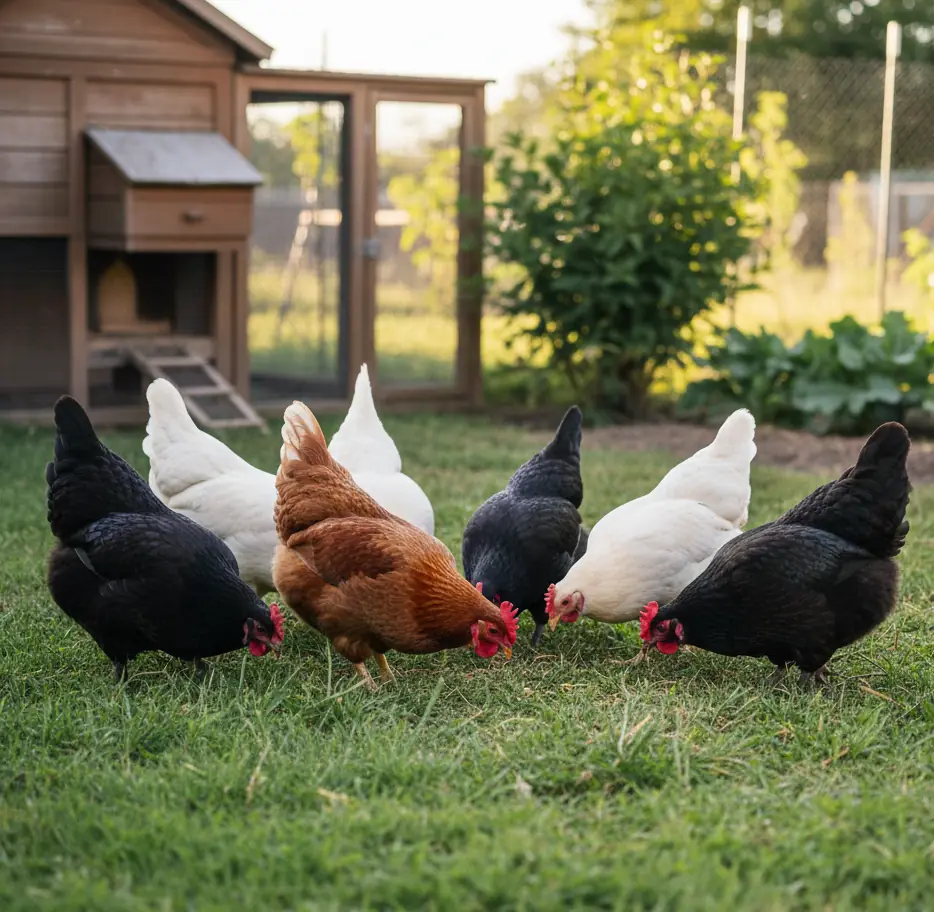 Chicken
Directly Compatible
Chicken
Directly Compatible
 Dog
Use with Caution
Dog
Use with Caution
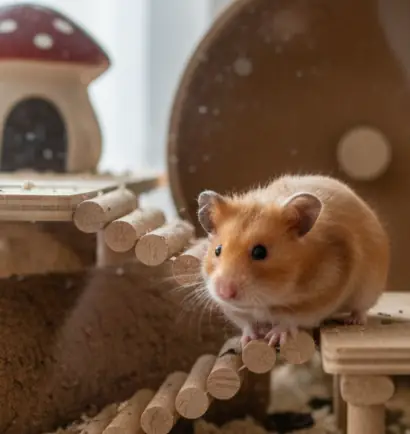 Hamster
Snack Only (not a meal)
Hamster
Snack Only (not a meal)