Preparation
11. Boil 1 cup of water. You don't need a rolling boil for five minutes — just bring it up, let it bubble for a minute or two, and you're done. The goal is chlorine evaporation and sterilization, not distillation.
22. Remove from heat and stir in 1/4 cup of white granulated sugar until completely dissolved. This takes about 15 seconds. If there are any granules visible at the bottom, keep stirring. Undissolved sugar can clog feeder ports.
33. Cool the solution to room temperature. Patience. Set it on the counter, go do something else, come back when it's not warm to the touch. Speed this up by setting the pot in a shallow ice bath if hummingbirds are already dive-bombing your window wondering where breakfast is.
44. Fill your feeder, hang it in a shaded spot (direct sun ferments the nectar faster and heats the metal ports), and store any leftover solution in a sealed jar in the fridge.
55. CRITICAL: Do not add red food dye. Ever. The feeder itself is red — that's enough. Red dye has been linked to kidney and liver damage in hummingbirds in multiple avian studies. The nectar should be clear.
Best Time to Serve
Dawn — hummingbirds burn through 100% of their energy reserves overnight and wake up literally starving
Purpose
Hummingbirds are metabolic miracles — they beat their wings 50-80 times per second and have heart rates exceeding 1,200 beats per minute. They don't eat seeds, suet, or mealworms. They need concentrated, fast-absorbing simple sugars that mimic natural flower nectar, and they need it fresh. This formula is the one recipe on your feeder station that every other bird will ignore and every hummingbird will fight over.
When to Use
Hang feeders when you spot the first spring migrants in your area (hummingbird migration maps are free online), and keep them up through fall departure. In summer heat, nectar ferments fast — change the solution every 2 days when temperatures exceed 80°F (27°C). In cooler weather, every 4-5 days is fine.
What to Expect
A crystal-clear liquid that looks identical to water but carries the scent of nothing at all — which is exactly right, because hummingbirds find feeders by sight (that red feeder plastic), not smell. Pour it in and within minutes you'll hear the fighter-jet buzz of a tiny bird who weighs less than a first-class stamp pulling up to your window.
Does Not Fix
Won't replace the protein and fat hummingbirds get from eating tiny insects — they need bugs too, so avoid pesticides in your yard. Also won't attract hummingbirds if your feeder isn't visible or is in deep shade. They want open sightlines and escape routes.
Time to Effect
Hummingbirds may discover a new feeder within hours or it may take 1-2 weeks. Once one finds it, word spreads through the neighborhood faster than gossip.
Safety Risks
- Never use honey — it ferments rapidly in warm water and grows Aspergillus fungus, which causes fatal tongue and throat infections in hummingbirds. This is the number one killer mistake people make with hummingbird feeders.
- Never add red dye, food coloring, or commercial "hummingbird nectar" products with additives. Plain sugar water is safer, cheaper, and exactly what the birds need.
- Clean feeders thoroughly with hot water (no soap residue) every time you refill. Black mold inside feeder ports is invisible from the outside and deadly. If you see cloudy nectar or black spots, scrub with a bottle brush and rinse until spotless.
Enrichment Ideas
Easy: Hang the feeder near a window where you can watch the aerial combat up close — hummingbird territorial disputes are the most entertaining thing in your yard, guaranteed.
Medium: Set up multiple feeders around different sides of your house, spaced 15+ feet apart. Dominant males can't guard them all, which lets females and juveniles actually eat.
Hard: Plant native trumpet-shaped flowers (bee balm, cardinal flower, trumpet vine) near the feeder to create a natural nectar corridor — the birds will route between flowers and your feeder all day, and you get a garden out of the deal.
Owner Tips
- Make a big batch (4 cups water, 1 cup sugar) and store it in the fridge. One batch can refill your feeder 4-5 times, and it keeps for two weeks refrigerated. This turns feeder maintenance from "a whole thing" into a 30-second pour.
- Hummingbirds are fiercely territorial. If you see one bird chasing all the others away, add a second feeder out of sight line from the first. The bully can't patrol what they can't see.
- Ant moats (a small cup of water above the feeder) keep ants from reaching the nectar. Bees are trickier — choose feeders with bee guards (mesh over the ports) or switch to saucer-style feeders that keep the nectar level below bee-tongue reach.
- In fall, DO NOT take your feeder down early to "encourage migration." Hummingbirds migrate based on daylight hours, not food availability. A late feeder can save the life of a straggler.
- If the nectar turns cloudy before your scheduled change day, change it immediately. Cloudiness means fermentation, and fermented nectar is alcohol — not the fun kind, the organ-damage kind.
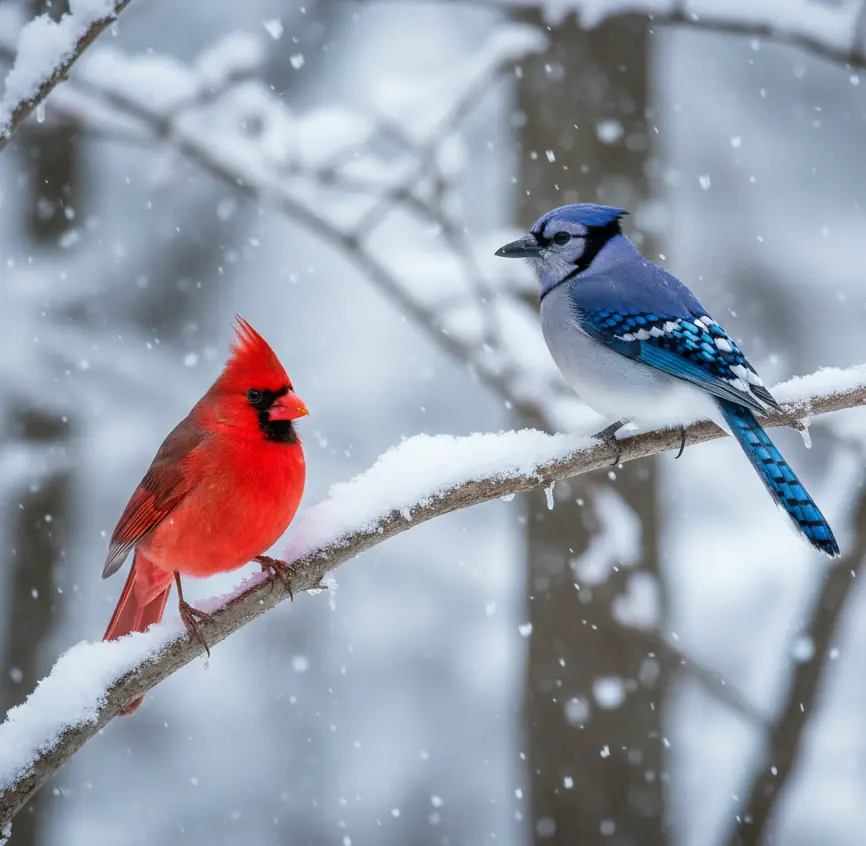 Backyard Birds
Snack Only (not a meal)
Backyard Birds
Snack Only (not a meal)
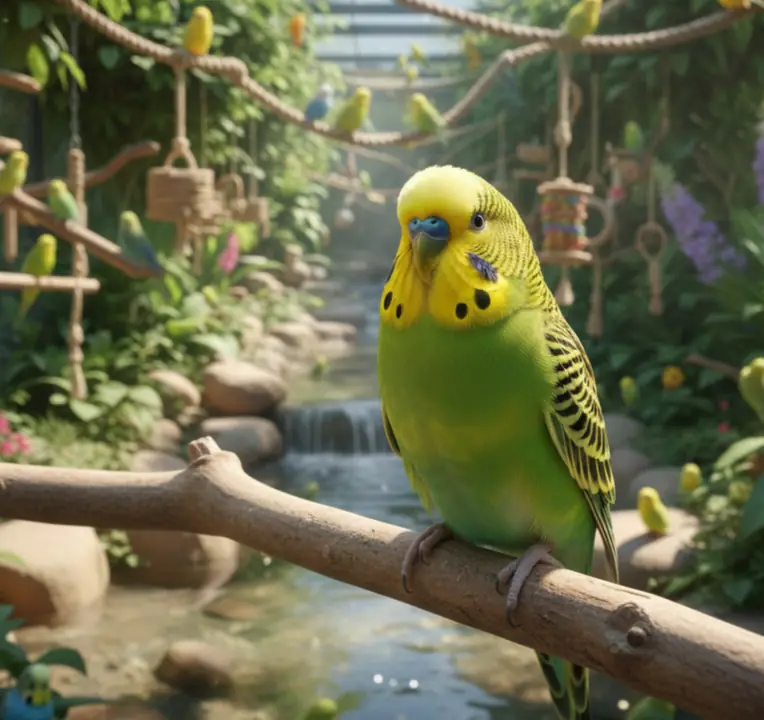 Budgerigar
Use with Caution
Budgerigar
Use with Caution