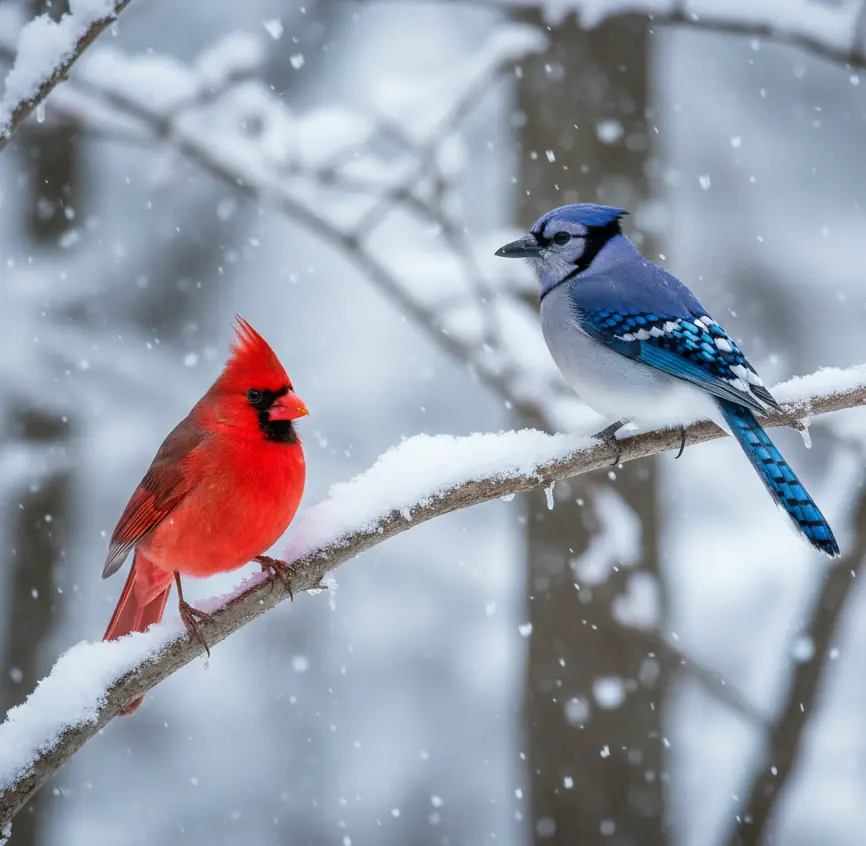
Preparation
11. In a medium bowl, combine the softened lard and peanut butter. Mash and stir with a fork until they're uniformly blended — you want a smooth, consistent fat base with no streaks of pure peanut butter or pure lard.
22. Add the rolled oats and cornmeal. Fold them in until every oat flake is coated in the fat mixture. The texture should tighten up immediately — this is the paste going from "greasy goop" to "spreadable dough."
33. Fold in the chopped sunflower seeds last. You want them distributed throughout, not clumped in one spot. Every peck should hit a seed fragment.
44. Test the consistency: scoop a spoonful and press it onto a vertical surface (the inside of the bowl works). If it holds for 10 seconds without sliding, you're good. If it slumps, add another tablespoon of cornmeal or oats. If it's too dry and crumbly, work in another tablespoon of lard.
55. Smear the paste directly onto your feeder — window feeders, platform feeders, log feeders, or even directly onto rough tree bark. Press it firmly with a spoon or your fingers (wash your hands first, obviously). The paste should be about 1/2 inch thick and firmly adhered.
Best Time to Serve
Before the storm hits — check the forecast and prep the night before, then slap it on the feeder at first light before the rain starts
Purpose
Loose seeds blow off feeders in wind, dissolve into useless mush in rain, and leave birds staring at empty platforms during the exact weather when they need calories most. This paste is engineered to stick. It clings to flat surfaces, resists moderate rain, and packs enough fat and protein into every peck that a chickadee can refuel in seconds and get back to shelter. Storms are when the weakest birds die — this paste keeps them in the game.
When to Use
Best deployed before severe weather, multi-day rain events, late-fall nor'easters, or any stretch where your feeders would normally become a soggy, wasted mess. Also excellent for window-mounted suction cup feeders where seed trays are too shallow to hold anything in wind. Smear it on and let the birds come to you.
What to Expect
A dense, tan-colored paste with visible seed fragments and dark oat flecks, dense as cookie dough and sticky enough that you could turn the feeder upside down and it wouldn't budge. It smells faintly nutty, like a health food store in the best possible way. Birds land, peck off chunks, and fly to cover to eat — efficient, fast, storm-worthy.
Does Not Fix
Won't protect birds from the storm itself. If your yard has no natural shelter (dense shrubs, evergreen trees, brush piles), consider adding some. The best feeder in the world doesn't help if there's nowhere to hide between bites.
Time to Effect
Immediate calorie delivery. Fat and carbohydrate energy hits the bloodstream within 15-20 minutes of eating, which is critical for thermoregulation during cold rain.
Safety Risks
- Never use salted peanut butter, salted seeds, or bacon grease. Salt is toxic to birds in even moderate quantities — their kidneys can't process it, and sodium poisoning causes seizures and death.
- Remove and replace the paste if it develops visible mold, a sour smell, or turns slimy. Fat-based foods in warm, humid conditions can spoil faster than you'd expect. In cool rain (below 55°F / 13°C), the paste holds beautifully. In warm rain, check it daily.
- If squirrels demolish the paste within hours (they will try), consider a baffle on the feeder pole or switch to a window-mounted feeder they can't reach. Squirrels won't hurt themselves eating this, but they'll empty the feeder before a single bird gets a peck.
Enrichment Ideas
Easy: Smear the paste on a feeder visible from your favorite indoor seat and watch the parade of species during the storm — you'll see birds you didn't know lived in your neighborhood show up when the weather gets bad enough.
Medium: Press the paste into a pinecone, roll the pinecone in extra chopped seeds, and hang it from a branch with twine. Swinging pinecone feeder that clinging species (chickadees, nuthatches) will dominate.
Hard: Drill 1-inch holes in a natural log, pack the paste into the holes, and hang the log vertically. Woodpeckers will work the holes exactly like they'd work beetle galleries in a dead tree — foraging behavior simulation at its finest.
Owner Tips
- Make a double batch and keep the extra in the fridge in a sealed container. When the storm outlasts your first feeder smear, you can reapply in 60 seconds flat.
- The paste holds better on rough surfaces. Smooth plastic feeders work if you press firmly, but rough wood, bark, or mesh gives the paste something to grip. A cheap suet cage stuffed with paste is an excellent hack.
- Birds are hungriest in the first hour after a storm breaks. If you can't pre-deploy, slap paste on the feeder the moment the rain stops and you'll have visitors within minutes.
- Don't panic about the fat content. Wild birds in cold, wet weather burn fat at an extraordinary rate just maintaining body temperature. This isn't junk food — it's survival fuel that mirrors the caloric density of the insects and seeds they'd forage naturally.
- If you notice one species monopolizing the paste (jays are notorious), set up a second feeder with a smaller perch that jays can't use but chickadees and nuthatches can. Democratize the paste.
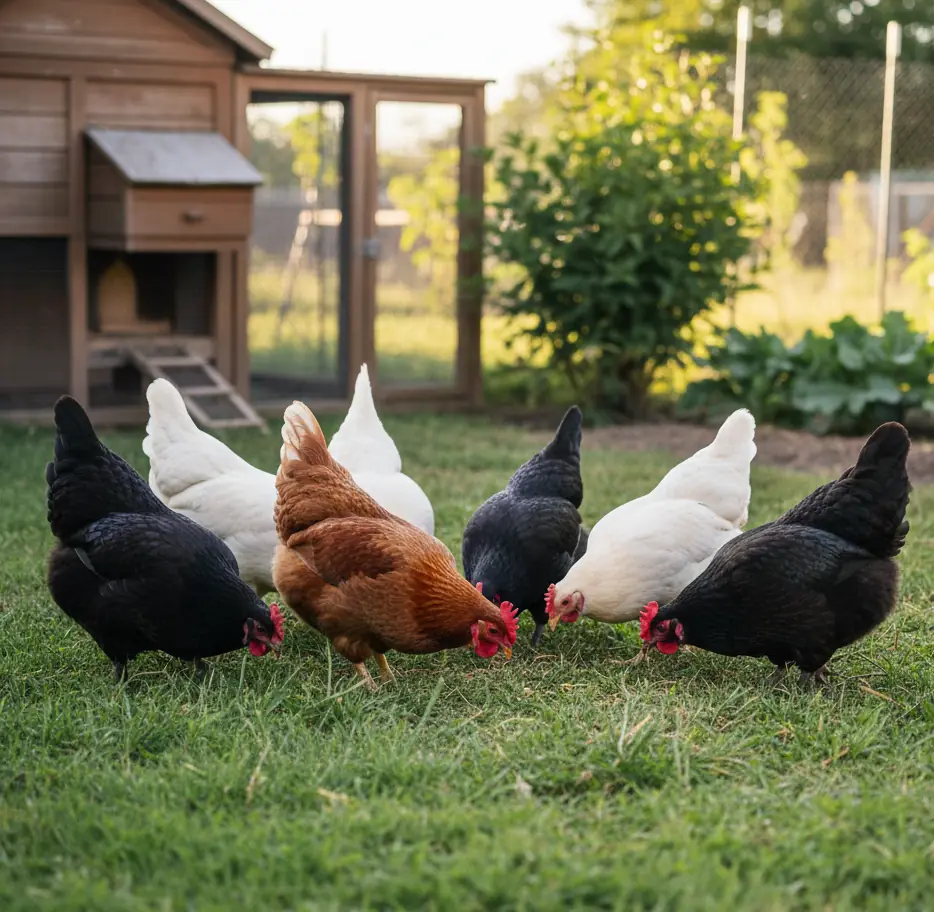 Chicken
Directly Compatible
Chicken
Directly Compatible
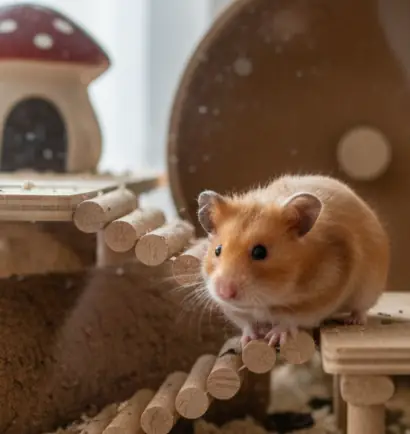 Hamster
Snack Only (not a meal)
Hamster
Snack Only (not a meal)