Preparation
11. About 30 minutes before full dark, walk to an open area of your yard — a clear patch of lawn, the edge of a garden, or a spot near (but not under) a large tree where you've seen or heard owls. You want open ground with clear sky above for aerial approach.
22. Scatter the mealworms, peanut pieces, sunflower seeds, and dried shrimp loosely across a 3-foot circle. Don't pile anything — spread it like you're sowing seeds. You want the scatter pattern to look natural and cover enough ground that multiple small creatures can forage simultaneously, creating the movement and noise that attracts predators.
33. Step back inside and leave the area completely undisturbed. No porch lights, no flashlights, no checking every 20 minutes. Owls are extraordinarily sensitive to human presence and will not approach if they detect activity. Darkness and patience are your only tools now.
44. At dawn, check the scatter zone. Missing food, pellet deposits, or whitewash (owl droppings) on nearby fence posts or branches tells you someone visited. Scattered fur or feathers in the area means the food chain worked exactly as designed.
Best Time to Serve
15-30 minutes before full dark, placed in an open area with good sightlines (owls hunt by sound and sight — they need clear approach paths)
Purpose
Your backyard has a night shift. Owls, nightjars, and other nocturnal visitors patrol after dark, and while they're primarily hunters, they supplement their diet opportunistically — especially during lean winters, breeding season, or when rodent populations are low. This scatter is designed to attract the small mammals and insects that owls actually hunt, while also providing direct nutrition to species like screech owls that readily take offered food. You're not feeding the owl directly so much as setting a table that the whole nocturnal food chain shows up to.
When to Use
Most effective in winter when prey is scarce, during nesting season (spring) when hunting pressure doubles, or in suburban yards where habitat loss has reduced natural hunting grounds. Place in open lawn areas or near the edge of tree cover where owls typically hunt — not under dense canopy where they can't swoop.
What to Expect
A dark, rough scatter of meaty chunks and seed fragments spread across a patch of open ground. It looks unremarkable by human standards — like someone spilled trail mix on the lawn. But at dusk, the scent of dried meat draws mice and voles out of cover, and the movement draws owls. By midnight, your quiet little offering has become the center of a silent drama you'll never see but might hear — a single low hoot, a rush of wings, silence.
Does Not Fix
Won't establish an owl territory where none exists. If there are no owls in your area, this scatter won't summon them. It supports existing visitors, not mythical ones. Also won't compensate for a yard full of outdoor cats — cats and owls compete for the same prey, and cats usually win the territory war.
Time to Effect
Regular nighttime visitors may discover the scatter within 1-3 nights. Owls are cautious and observational — they'll watch from a perch before committing. Consistent nightly placement for 2+ weeks builds a reliable pattern they'll incorporate into their hunting route.
Safety Risks
- Clean up ALL uneaten food at dawn without exception. Daytime scavengers (crows, rats, cats) will move into an area with regular food deposits, and you'll create a pest problem instead of an owl habitat.
- Do not use artificial light (spotlights, motion-sensor floods) to try to see your nocturnal visitors. Light disrupts owl hunting behavior, disorients night-migrating songbirds, and ruins the entire point of this recipe. If you want to observe, use a trail camera with infrared flash — owls can't see infrared.
- If you have outdoor cats, do not use this recipe. You will be baiting small mammals into an open area where a cat is waiting. That's not owl support — that's a cat buffet. Cats kill billions of birds and small mammals annually. Keep cats indoors.
Enrichment Ideas
Easy: Set up a simple trail camera aimed at the scatter zone and review the footage each morning. You will be shocked at what visits your yard after midnight — most people have never seen their nocturnal neighbors.
Medium: Place the scatter near a dead snag or tall fence post that serves as a natural owl perch. Owls hunt from elevated positions and prefer to survey a feeding area from above before descending. Give them a throne.
Hard: Build a simple screech owl nest box (plans are free from the Cornell Lab of Ornithology) and mount it 10-15 feet up on a tree near your scatter zone. Combine food and housing and you may establish a resident breeding pair that patrols your yard for rodents year-round — nature's pest control.
Owner Tips
- Listen before you look. Owls announce themselves with calls — great horned owls hoot in deep pairs, screech owls whinny and trill, barn owls shriek like someone stepped on a ghost. Learn the calls of your local species and you'll know who's visiting before you ever check the trail camera.
- Consistency matters more than quantity. A small scatter every night for two weeks will establish your yard on an owl's mental map far better than one massive scatter once a month. Owls are routine hunters.
- The scatter zone will tell a story in the morning if you learn to read it. Owl pellets (compact, gray, furry bundles) mean an owl ate and roosted nearby. Digging marks mean a skunk visited. Clean disappearance of everything means raccoons. Each morning is a wildlife detective scene.
- If you want owls but not rats, keep portions small and scattered widely. Rats consolidate at food piles; small scattered amounts get taken by mice and voles that owls can manage. Piling food creates a rat bar. Scattering food creates an owl hunting ground.
- Your neighbors may think you're strange for scattering food on your lawn at dusk. Show them the trail camera footage. They'll be installing their own scatter zone by next week.
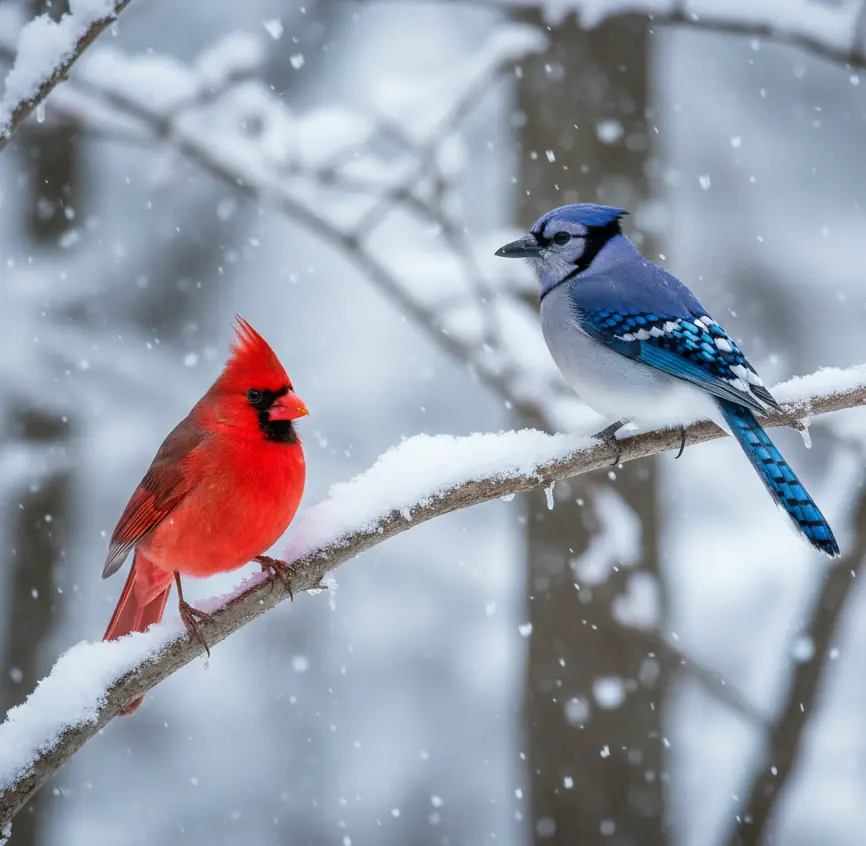 Backyard Birds
Feed Moderately
Backyard Birds
Feed Moderately
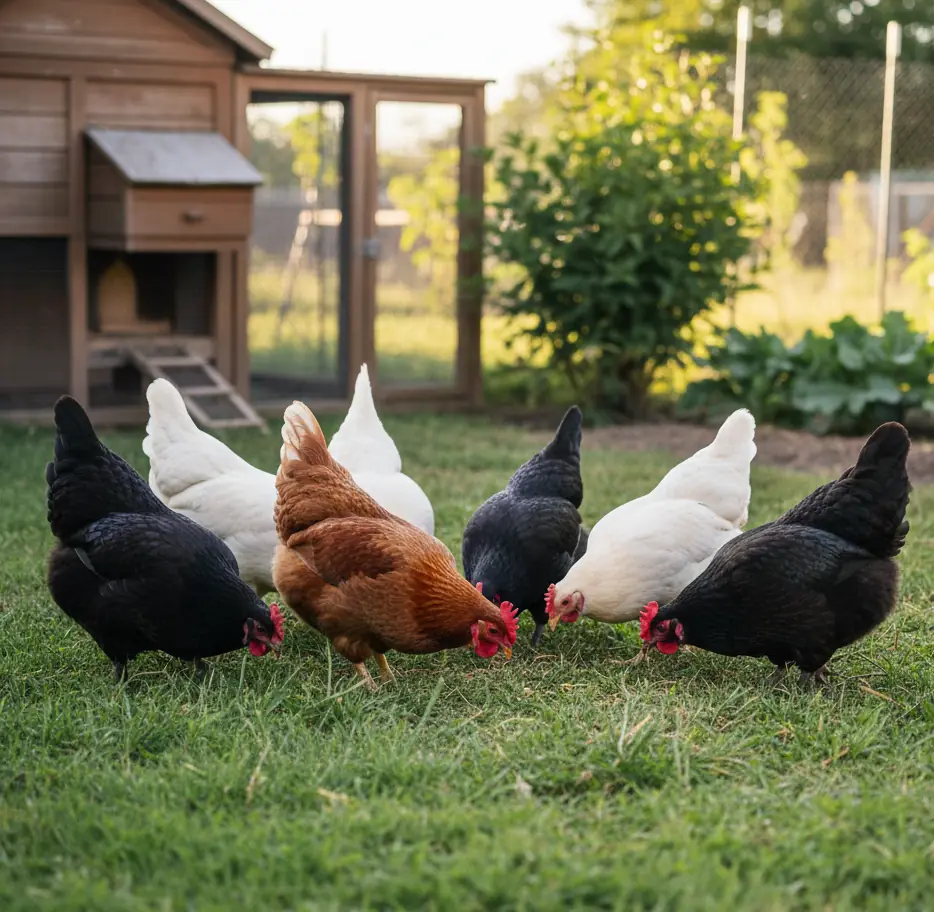 Chicken
Use with Caution
Chicken
Use with Caution
