Preparation
11. Hard-boil an egg for a full 12 minutes. Cool it under running water, peel it, and separate the yolk. Discard the white (or eat it yourself — you're allowed a snack during a rescue operation).
22. Mash the yolk in a small bowl with a fork until it's uniformly fine — no lumps. Baby bird esophagi are the width of a toothpick. Any chunk is a choking hazard.
33. If using dried mealworms, crush them into a fine powder between two spoons and fold the powder into the mashed yolk. The insects add protein density without changing the texture much.
44. Add water (or Pedialyte) one drop at a time, stirring after each drop, until you get a paste that holds its shape on the end of a toothpick but isn't dry or crumbly. Think modeling clay, not bread dough.
55. Mix in the applesauce if using. Stir until uniform. Warm the mixture very slightly between your palms — body temperature food is accepted more readily than cold food by most fledglings.
66. Using a toothpick or the blunt end of a wooden skewer, offer a tiny (lentil-sized) blob to the bird by holding it near the beak. If the bird gapes (opens wide), gently place the food at the BACK of the tongue, not the front. If the bird doesn't gape, do not force-feed — gently tap the side of the beak or the base of the bill to stimulate the feeding response.
Best Time to Serve
Daylight hours only — fledglings don't eat after dark, and neither do their parents
Purpose
Every spring, perfectly healthy fledglings leave the nest before they can fly properly and end up on the ground looking helpless. Most of them don't need rescuing — their parents are nearby, feeding them. But if you've confirmed the bird is genuinely orphaned or injured (no parents returning after 4+ hours, visible wounds, or a cat attack), this crumble is an emergency formula that provides digestible protein, hydration, and enough calories to keep a baby songbird going until you can get it to a licensed wildlife rehabilitator. This is a bridge, not a destination.
When to Use
This is a "break glass in case of emergency" recipe. Use it ONLY when a fledgling is confirmed orphaned or injured and you cannot reach a wildlife rehabilitator immediately. Most baby birds on the ground are being actively parented — watch from a distance for at least 2-4 hours before intervening. If the parents are visiting, leave the bird alone. Your best action is usually no action.
What to Expect
A smooth, moist paste — somewhere between wet sand and mashed banana — that's warm to the touch and soft enough for a gape the size of your pinky nail. It smells like nothing offensive, which is important because baby birds respond to texture and delivery, not aroma. Drop a tiny blob on the tip of a toothpick and the fledgling's beak should open reflexively.
Does Not Fix
This is not a substitute for professional wildlife rehabilitation. Baby birds need species-specific diets, feeding schedules down to the minute, and thermal regulation you cannot replicate with a desk lamp and good intentions. Get the bird to a rehabber as soon as humanly possible.
Time to Effect
A weak fledgling should perk up and begin begging more actively within 1-2 hours of the first few feedings. If the bird doesn't respond after 3-4 feedings, something is wrong beyond hunger and it needs professional help immediately.
Safety Risks
- NEVER force liquid or food into a baby bird's beak. Aspiration pneumonia kills faster than starvation. If the bird won't gape, wait 15 minutes and try again, or get to a rehabber immediately.
- Do not feed bread, crackers, milk, or raw rice. These are all internet myths that have killed more baby birds than cats have. Bread swells in the crop and provides zero nutrition. Milk causes fatal diarrhea. Raw rice does not expand and kill birds (that's a myth too), but it's indigestible for nestlings.
- Keep the bird warm (85-90°F / 29-32°C) in a quiet, dark place between feedings. A heating pad on LOW under half the container gives the bird a warm side and a cool side to choose from. Hypothermia kills baby birds faster than hunger.
Enrichment Ideas
Easy: Place the fledgling's temporary container near a window where it can hear other birds singing — familiar sounds reduce stress and encourage the feeding response.
Medium: If the bird is old enough to perch (feet grip your finger), place a small natural twig across the container for it to practice perching between feedings. Recovery includes physical therapy.
Hard: Once the bird is eating well and has been cleared by a rehabber, offer the paste smeared on a rough surface (tree bark chunk) so the fledgling practices pecking and extracting food — the skills it'll need when released.
Owner Tips
- The single most important thing: contact a licensed wildlife rehabilitator. Google "[your state/province] wildlife rehabilitator" and call the first number. They will tell you exactly what to do, and most will take the bird for free. This recipe buys time — it doesn't replace expertise.
- Feed every 20-30 minutes during daylight hours. Yes, that's exhausting. That's what parent birds do, and it's why getting to a rehabber matters — they have the setup and schedule to sustain this.
- Do not name the bird. You'll get attached, and the goal is release. (We say this from experience. The bird does not know its name is Gerald.)
- If the bird was attacked by a cat, it needs antibiotics within 24 hours regardless of visible injuries. Cat saliva carries Pasteurella bacteria, which causes fatal sepsis in birds. Get to a rehabber or avian vet immediately — this is a true emergency even if the bird looks fine.
- Resist the urge to give the bird a water dish. Fledglings don't drink from standing water — they get hydration from food. A water dish is a drowning hazard for a bird that can't fly.
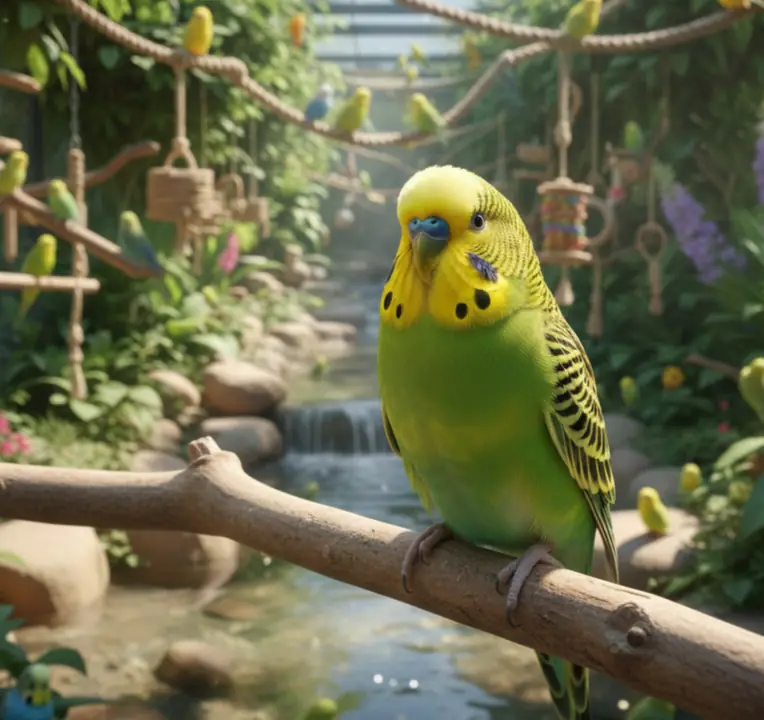 Budgerigar
Use with Caution
Budgerigar
Use with Caution
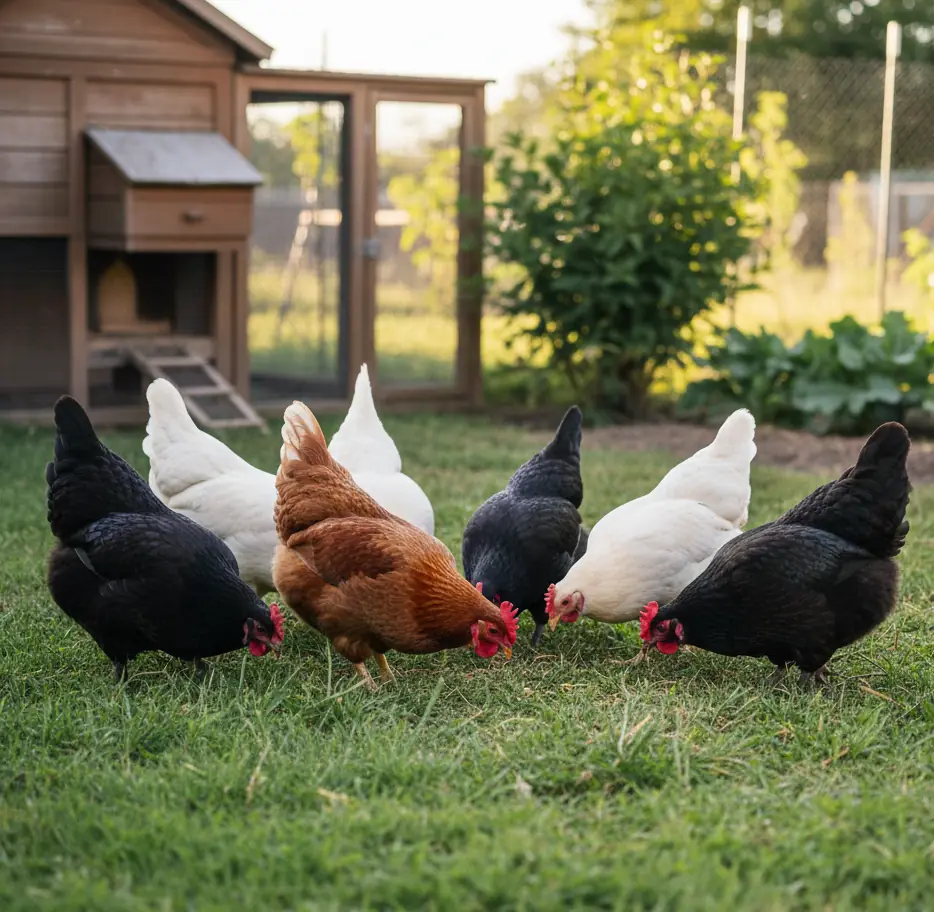 Chicken
Compatible with Adjustments
Chicken
Compatible with Adjustments