Preparation
scoop them out, give them a quick rinse, and serve raw
Quantity
the seeds from one medium squash is a great daily amount for a yard
Notes
different squash types have different seed sizes, so experiment
Nutritional Benefits
high in Vitamin E which is essential for healthy bird skin and feathers
provides a great dose of healthy oils for energy and warmth
the crunchy hulls help keep beaks trimmed and healthy
rich in minerals that support eggshell strength during nesting season
Safe Varieties
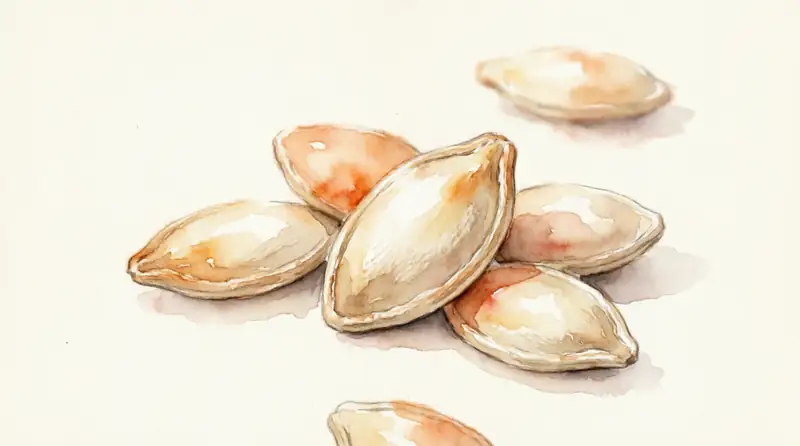
Butternut squash seeds are small, tender, and a huge hit.
Acorn squash seeds are heartier and great for larger visitors.
Spaghetti squash seeds are thin and easy for smaller birds to crack.
Zucchini seeds (if mature) are also a safe and healthy option.
Avoid: Seeds from squash cooked with salt, garlic, or onions.
Feeding Guide
Small birds will love the thin seeds from a spaghetti squash.
Medium birds can easily manage butternut squash seeds.
A small dish of mixed squash seeds will attract a diverse group of foragers.
Positive Signs
birds sifting through other seeds just to find the squash seeds
healthy, active birds that seem to have plenty of energy
birds staying at the feeder even when the "standard" seed is gone
Negative Signs
if you see seeds sitting untouched, they might be too large or hard
watch for uneaten seeds that might start to sprout or mold in the rain
cut back if you notice the birds are becoming "seed-only" eaters and ignoring greens
Preparation Science
Rinsing the seeds removes the sticky pulp, which makes it easier for the birds to grip the seed without getting a "messy beak." Drying them slightly makes them easier for you to scatter without them clumping.
Enrichment Science
The varying shapes and sizes of different squash seeds challenge a bird's "handling" skills. It teaches younger birds how to manipulate different types of food to get to the prize inside.
Play Ideas
Easy: Scatter fresh seeds on a flat platform or deck railing.
Medium: Mix seeds with a bit of cornmeal to create a crumbly "bird crumble."
Hard: Tuck seeds into the cracks of a log for birds to discover.
FAQ
Q: Can I feed the pulp too?
A: Yes! Most birds will happily peck at the stringy bits for extra moisture.
Q: Do these seeds have a long shelf life?
A: If you dry them out completely, they can last for months in a cool, dry place.
Alternatives
pumpkin seeds are bigger and tougher for small birds
sunflower seeds are the standard but squash seeds offer more variety
melon seeds are softer while squash seeds are a bit heartier
Risks & Disclaimer
Squash seeds are a fantastic natural resource, just make sure they stay dry to prevent any mold from spoiling the fun for your feathered friends!