Preparation
wash it well and chop it finely for easier eating
Quantity
a small sprig or a teaspoon of chopped parsley is a perfect daily dose
Notes
great for almost any bird, but don't let it become their only food source
Nutritional Benefits
very high in Vitamin C which helps with general bird wellness
contains Vitamin A for great vision and healthy feather development
provides a good amount of folic acid for healthy cell growth
acts as a natural breath freshener for birds (not that they need it!)
Safe Varieties
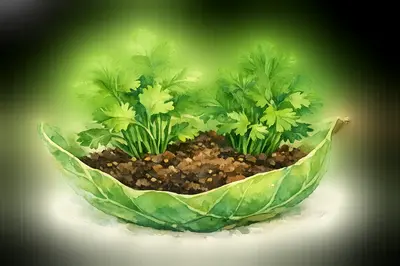
Flat-leaf parsley is often preferred because it is softer and easier to chop.
Curly parsley provides a fun texture that birds love to shred.
Fresh parsley is much better than dried for hydration and flavor.
Organic parsley ensures no nasty pesticides get into your birds.
Avoid: Parsley mixed into human dishes with salt or garlic.
Feeding Guide
A tiny pinch of chopped parsley is perfect for a sparrow or finch.
A whole sprig can be clipped to a feeder for larger birds to enjoy.
Mix it into a "veggie chop" for a well-rounded bird meal.
Positive Signs
birds being very active and showing bright, healthy feathering
birds showing no hesitation when trying the new green treat
healthy, consistent bird visits to your feeding station
Negative Signs
if the parsley wilts and turns yellow, it is past its prime
too much parsley can be a bit of a diuretic, so keep the portions small
make sure the parsley hasn't been sitting in standing water for too long
Preparation Science
Parsley is very thin, so it dries out quickly. Serving it fresh and slightly damp can provide an extra bit of hydration. Finely chopping it ensures that even the smallest birds can get the benefits.
Enrichment Science
Shredding the delicate leaves of parsley is a great way for birds to practice their fine motor skills. It keeps their beaks busy and provides a sense of accomplishment during foraging.
Play Ideas
Easy: Sprinkle finely chopped parsley over a platform feeder.
Medium: Stick a sprig of parsley into a piece of fruit.
Hard: Weave parsley stems through the mesh of a suet feeder.
FAQ
Q: Can I feed them the stems?
A: Yes! The stems are filled with juice and vitamins, just chop them up a bit.
Q: Is there such a thing as too much parsley?
A: Yes, like any treat, keep it to about 5 to 10 percent of their total diet.
Alternatives
cilantro is more fragrant while parsley is more nutrient-dense
spinach has more iron but parsley is safer to feed more frequently
kale is tougher and harder for small birds to eat than parsley
Risks & Disclaimer
Parsley is a safe, easy, and healthy herb for your backyard birds. Just keep it fresh and clean and they will love you for it!