Preparation
Plain, uncooked, unflavored only. No instant oats with added sugar, salt, or flavorings. Rolled oats, porridge oats, and oat groats are all fine. Cooked oatmeal is okay in cold weather but can go sticky and clog beaks — keep it crumbly.
Quantity
A generous handful on a platform feeder or scattered on the ground. Oats are a supplement, not a main diet — offer alongside seeds and other foods.
Notes
Oats are a fantastic cold-weather energy source since they're calorie-dense and easy to digest. In summer, reduce the quantity as birds need less caloric support. They attract ground-feeding species particularly well.
Nutritional Benefits
* Good source of slow-release carbohydrates — steady energy without the sugar crash
* Contains protein (around 13%) which supports feather growth and repair
* Rich in B vitamins for energy metabolism and overall vitality
* Provides iron and magnesium for blood and muscle health
* The soluble fiber (beta-glucan) supports healthy digestion in birds that eat them regularly
Safe Varieties
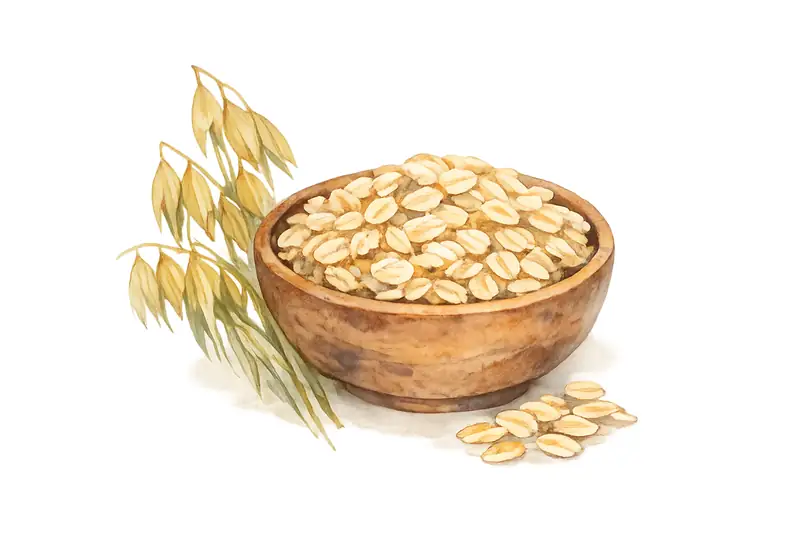
1. Rolled oats (porridge oats) — most common, widely available, perfect size for most garden birds
2. Oat groats (hulled whole oats) — more nutritious, preferred by larger birds like doves and blackbirds
3. Pinhead oats (steel-cut) — smaller pieces, good for smaller species like wrens and finches
4. Plain cooked oatmeal (crumbly, not sticky) — cold weather treat; ensure it's not gloopy
5. Avoid: flavored instant oats, honey-coated, or any with added salt or sugar
Feeding Guide
A handful scattered on a platform feeder or the ground is plenty for a busy garden.
In winter, increase to a couple of handfuls — birds need extra calories to stay warm overnight.
In summer, offer less — birds have natural food sources and need less supplemental energy.
Mix with other seeds and foods rather than offering oats alone for a balanced feeding station.
Positive Signs
* Ground-feeding birds (doves, sparrows, juncos, blackbirds) appearing regularly at the scatter area
* Oats consumed within a few hours — fresh food, happy birds
* Active, alert birds with smooth plumage visiting your feeding station
* Increased species diversity as different birds discover the oat offering
Negative Signs
* Oats left uneaten and getting wet — remove promptly to prevent mold growth
* Sticky clumps forming from cooked oatmeal — too gloopy; keep it drier next time
* Rodent activity around scattered oats — consider using a raised platform feeder instead of ground scattering
* Mold or musty smell on stored oats — discard the entire batch
Preparation Science
Raw oats are easier for birds to handle than cooked — they can pick them up, manipulate them in their beaks, and swallow at their own pace. Cooked oatmeal can become sticky and cement around the beak, which is why it should only be offered crumbly and in cold weather when the extra warmth is welcome.
Enrichment Science
Ground-feeding birds like sparrows and juncos have evolved to scratch and forage through substrate for scattered seeds. Scattering oats across a flat area rather than piling them in a heap taps into this natural behavior and gives more birds a fair chance at feeding.
Play Ideas
Easy: Scatter a thin layer of oats across a platform feeder and watch the ground-feeding parade.
Medium: Mix oats with sunflower seeds, dried mealworms, and raisins on a tray feeder — a DIY trail mix for birds.
Hard: Press oats into a coconut shell with melted suet (cooled), hang it up, and let birds chip away at it through the week.
FAQ
Q: Can I put out leftover porridge for the birds?
A: Only if it's plain (no milk, sugar, or salt) and crumbly in texture. Gloopy porridge sticks to beaks and feathers, which can be dangerous. If your leftover porridge is too wet, spread it thin on a tray and let it firm up before offering.
Q: Will oats attract rats to my garden?
A: Any food left on the ground can attract rodents. Minimize the risk by offering oats on a raised platform feeder, cleaning up uneaten food before dusk, and not scattering more than birds will eat in a few hours.
Alternatives
* Sunflower seeds — higher in fat, more calorie-dense, attract a wider range of species including finches and woodpeckers
* Millet — smaller grain preferred by finches and smaller species; less caloric than oats but very popular
* Corn (cracked) — attracts similar ground-feeders, cheaper in bulk, but less nutritious than oats
* Suet cakes — high-energy winter alternative that also attracts insect-eating species oats would miss
Risks & Disclaimer
Oats are one of the safest and most affordable foods for backyard birds. The main concerns are mold from wet storage, rodent attraction from ground scattering, and sticky cooked oatmeal potentially clogging beaks. Keep it plain, dry, and fresh and you're good.