Preparation
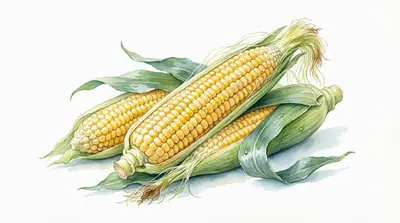
serve it dry, cracked, or fresh off the cob without any salt or butter
Quantity
one handful of cracked corn per feeder daily is plenty
Notes
great for winter energy but watch out for mold in wet weather
Nutritional Benefits
packed with carbohydrates to keep wings flapping on cold days
provides essential fats that help maintain healthy feathers
gives big birds like Woodpeckers a sturdy snack to hammer away at
helps ground feeders stay full and satisfied during migration seasons
Safe Varieties
Cracked corn is the gold standard for most small backyard visitors.
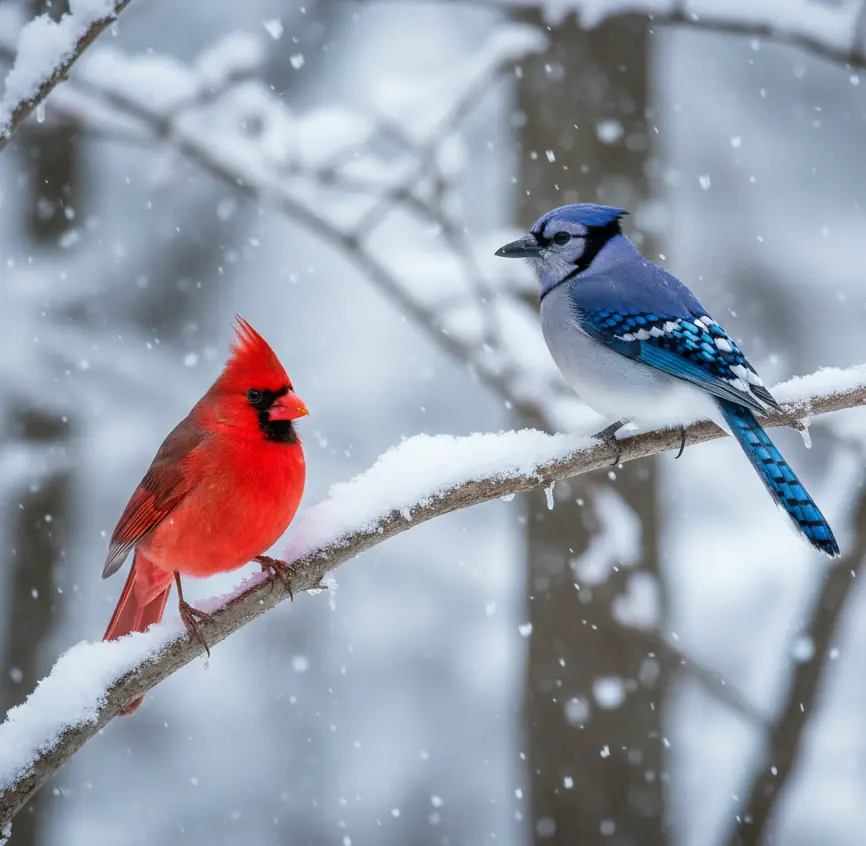
Whole kernels are a blast for larger birds like Jays and Crows.
Fresh corn on the cob provides hours of entertainment and pecking practice.
Frozen corn is a nice summer treat if you thaw it out first.
Avoid: Microwave popcorn, canned corn with salt, or anything with butter.
Feeding Guide
Small birds like Finches need just a tiny sprinkle of cracked corn.
Medium birds like Cardinals adore a small pile in a platform feeder.
Larger visitors can handle a whole cob hung from a tree or fence post.
Positive Signs
birds return frequently and stay alert while eating
high energy levels and active foraging behavior
shiny, well-maintained feathers and bright eyes
Negative Signs
lethargy or puffed-up feathers which means the corn might be moldy
if birds ignore it, the kernels might be too hard or old
if you see fuzz or a weird smell, throw it out immediately to prevent sickness
Preparation Science
Cracking the corn makes the inner starches accessible to smaller birds who cannot break the outer hull. Keep it bone-dry to prevent dangerous toxins from growing on the grain.
Enrichment Science
Pecking kernels off a cob mimics natural foraging and keeps beaks sharp and strong. It turns a meal into a fun physical workout for your backyard birds.
Play Ideas
Easy: Sprinkle cracked corn on a flat stump or platform.
Medium: Stick a whole cob onto a specialized spike feeder.
Hard: String whole kernels onto a natural twine "necklace" and hang it up.
FAQ
Q: Can I give them leftover popcorn from my movie night?
A: Only if it is plain and air-popped! Salt and butter are big no-nos for bird tummies.
Q: Is corn okay in the summer?
A: Yes, but keep it in the shade so it does not spoil or ferment in the heat.
Alternatives
sunflower seeds have more oil but corn provides faster energy
peanuts are better for protein while corn is the king of carbs
millet is easier for tiny beaks but corn lasts longer in the feeder
Risks & Disclaimer
Always check your corn for mold before serving because damp grain can get nasty fast. Keep it fresh and your birds will be the happiest on the block!