Preparation
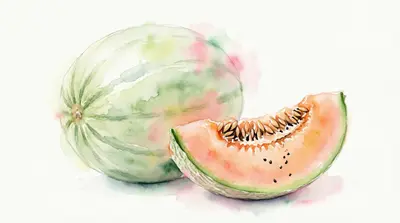
wash the outside, slice it open, and keep those seeds
Quantity
half a small melon or a handful of seeds is a perfect portion
Notes
the seeds are a huge hit with larger birds, so do not toss them
Nutritional Benefits
very high in Beta-carotene which helps maintain stunning feather colors
provides a great mix of hydration and natural fruit sugars
the seeds are a surprising source of protein and healthy fats
contains Vitamin C to support a strong immune system for your visitors
Safe Varieties
Fresh, ripe cantaloupe has the most juice and the best scent.
The seeds and the "goop" in the middle are bird favorites.
Small chunks of the orange flesh are perfect for soft-billed birds.
Slightly overripe melon is still great as long as it isn't moldy.
Avoid: Canned melon in syrup or rinds that haven't been washed.
Feeding Guide
A small scoop of seeds is enough to make a group of Finches very happy.
A few slices of the flesh will attract Orioles and Catbirds.
Place a whole half-melon on the ground for a backyard bird buffet.
Positive Signs
birds fighting over the seeds (in a friendly way, of course)
clear, bright eyes and high energy levels after snacking
birds returning to the "melon spot" even after the food is gone
Negative Signs
if the melon smells like alcohol, it is fermenting and should be trashed
watch for neighborhood cats who might hide near the ground-level melon
sticky feathers around the face are common, but a bath should be available
Preparation Science
The seeds of a cantaloupe are soft enough for many birds to crack, unlike some harder pumpkin seeds. Leaving the fruit in the rind provides a sturdy "bowl" that prevents the juice from soaking into your feeder.
Enrichment Science
Foraging through the stringy pulp to find the seeds mimics the way birds find food in the wild. It provides a complex mental task that keeps them busy for much longer than a pile of seeds.
Play Ideas
Easy: Put the center seed-filled scoop in a shallow dish.
Medium: Smear some peanut butter on a melon slice and dip it in birdseed.
Hard: Create a "melon boat" by filling a hollowed-out half with a mix of fruit and seeds.
FAQ
Q: Should I dry the seeds first?
A: You can, but you don't have to! Birds love them fresh and slimy right out of the melon.
Q: Is the rind safe for them to peck?
A: Yes, many birds will peck the rind clean down to the skin to get every bit of nutrition.
Alternatives
watermelon is more hydrating but cantaloupe has more vitamins
pumpkin seeds are tougher while cantaloupe seeds are easier for small birds
honeydew is similar but cantaloupe usually has more Beta-carotene
Risks & Disclaimer
Cantaloupe is a double-win for birds, just make sure to pick up the rinds at the end of the day so you don't invite any nocturnal guests like raccoons!